
5 Foods Good for Uterus Health
Foods that support uterine function and women's reproductive health
February 9, 2026

Flaxseeds
Rich in omega-3 and lignans for hormonal balance and uterine health
Flaxseeds are a powerhouse plant-based food for uterine health, offering a unique combination of nutrients. Extremely rich in lignans, which act as phytoestrogens to help balance hormones. Flaxseeds contain the highest levels of lignans among all foods and can reduce the risk of endometriosis and uterine fibroids. Rich in alpha-linolenic acid (ALA), a plant-based omega-3 fatty acid that significantly reduces uterine inflammation. Chronic inflammation is a major cause of endometriosis, fibroids, and menstrual pain. Improves estrogen metabolism, helping to regulate excessive estrogen. Estrogen dominance is a primary cause of uterine fibroids, endometriosis, and irregular periods. Very high in dietary fiber (about 6g per 2 tablespoons), which helps eliminate excess estrogen through the intestines. A healthy gut is essential for hormonal balance. Rich in antioxidants that protect uterine cells from oxidative stress and DNA damage. Contains magnesium, which helps relax uterine muscles and relieve menstrual cramps. Contains B vitamins important for energy production and hormone metabolism. Contains zinc essential for reproductive health and immune function. Research shows that flaxseed consumption can alleviate endometriosis symptoms and normalize menstrual cycles. Helps reduce menstrual pain (dysmenorrhea) and regulate menstrual bleeding. Alleviates menopausal symptoms and reduces hot flashes. Consume 1-2 tablespoons (about 10-20g) of ground flaxseeds daily. Whole flaxseeds are not digested, so they must be ground. Add ground flaxseeds to smoothies, yogurt, oatmeal, and salads. Consume with water. Flaxseeds are high in fiber and require adequate hydration. Ground flaxseeds oxidize easily, so store in an airtight container in the refrigerator and use within 1-2 weeks. Consume ground flaxseeds rather than flaxseed oil. The whole seeds contain both lignans and fiber.
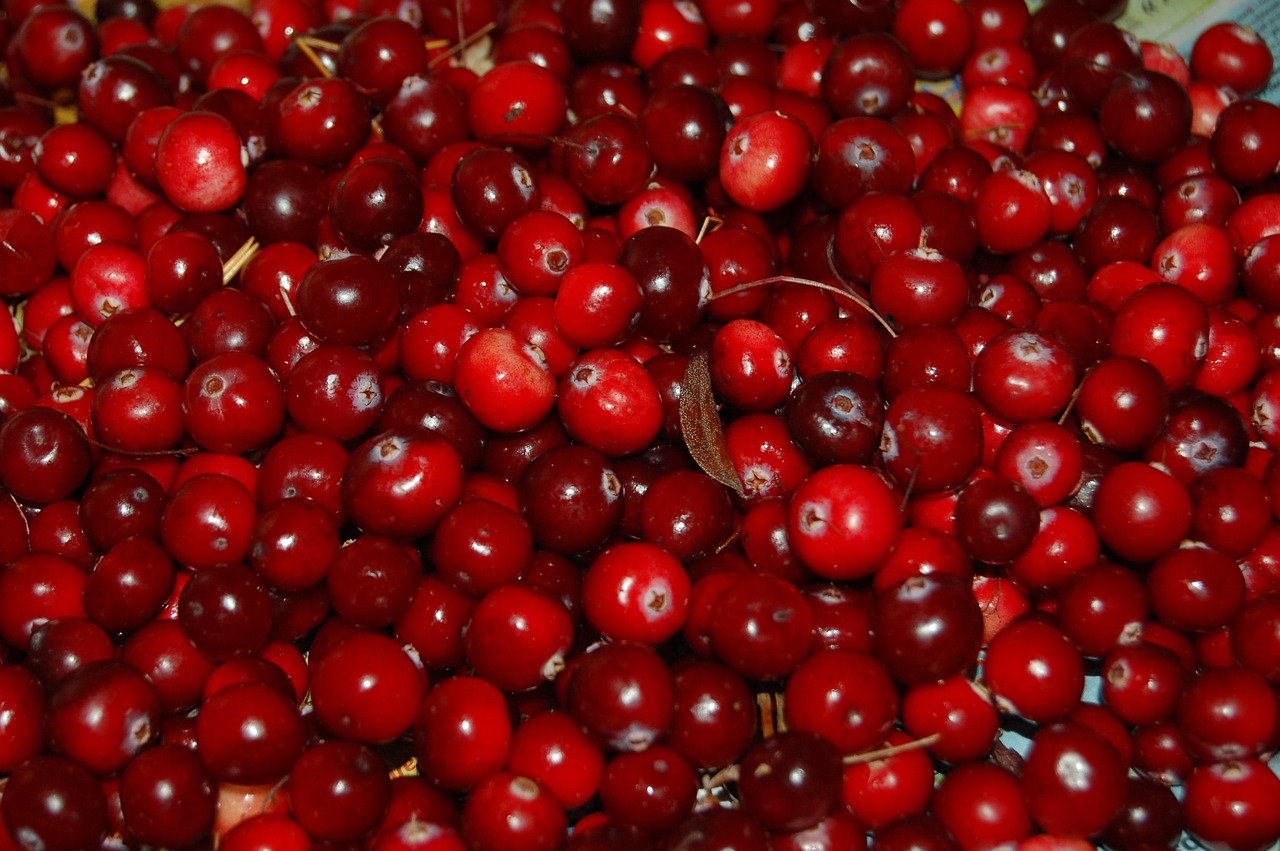
Cranberries
Proanthocyanidins for urinary and reproductive health protection
Cranberries are highly effective berries for uterine and urinary tract health, containing powerful protective compounds. Rich in unique compounds called proanthocyanidins (PACs) that prevent bacteria from adhering to uterine and urinary tract tissues. This is highly effective in preventing uterine and bladder infections. Prevents urinary tract infections (UTIs), blocking the spread of infection from the bladder to the uterus. Recurrent UTIs can affect women's reproductive health. Anti-inflammatory properties reduce endometrial inflammation and alleviate menstrual pain. Rich in powerful antioxidants that protect uterine cells from oxidative stress and aging. Rich in vitamin C, which strengthens immune function and supports collagen production. Collagen is essential for healthy uterine tissue. Contains vitamin E, which supports reproductive health and hormonal balance. Rich in manganese, important for bone health and antioxidant enzyme function. A low glycemic index fruit that helps stabilize blood sugar. Blood sugar fluctuations can trigger hormonal imbalances. Maintains vaginal pH balance, preventing vaginitis and yeast infections. Research shows that cranberry consumption can reduce the risk of recurrent urinary tract infections by up to 50%. Supports cervical health and reduces the risk of cervicitis. Drink 240ml of pure unsweetened cranberry juice daily or consume 1 cup of fresh cranberries. Choose 100% pure cranberry juice. Avoid sweetened cranberry cocktails. Cranberry supplements (especially those containing 36mg or more of PACs) are also effective. Add fresh or frozen cranberries to smoothies, salads, and oatmeal. When choosing dried cranberries, select unsweetened products. If cranberry juice is too tart, dilute with water or add a little stevia.
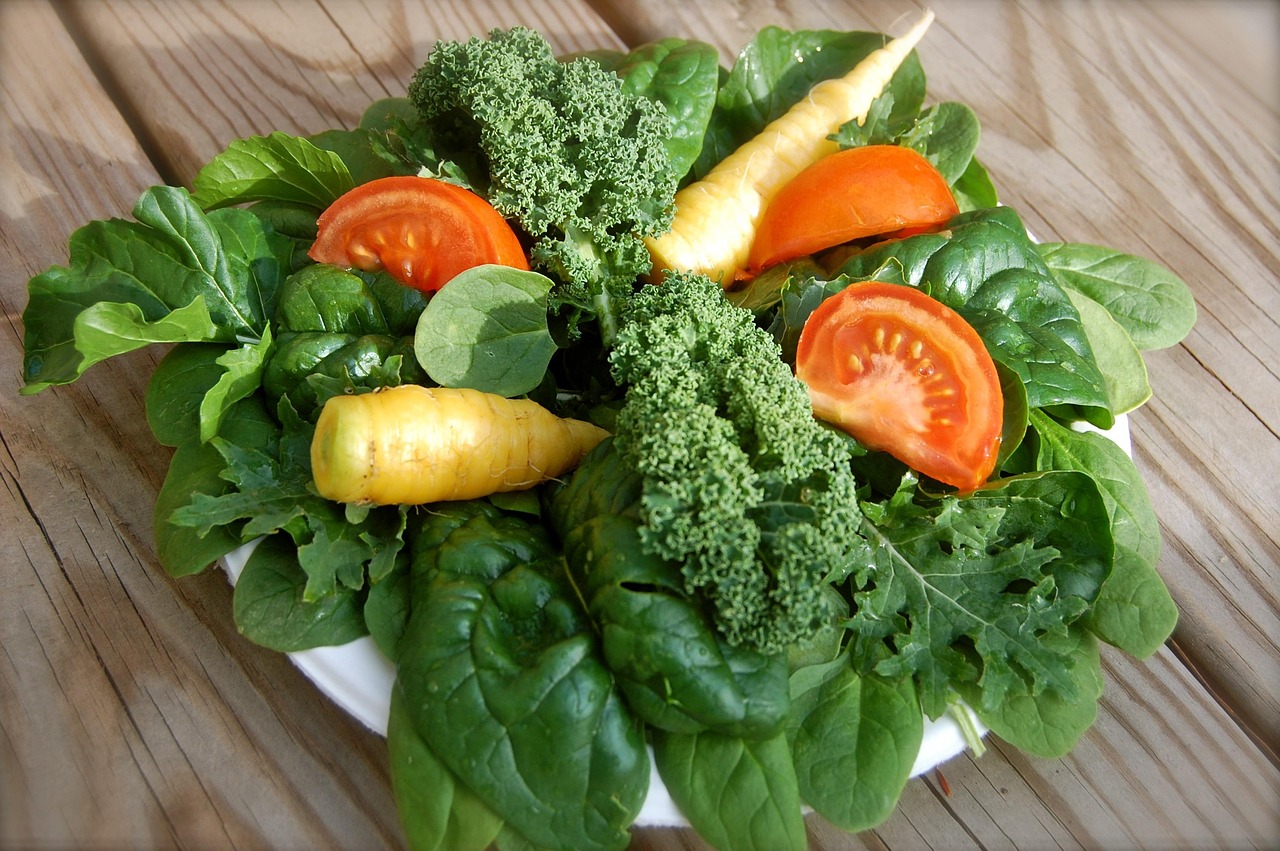
Leafy Greens
Folate, iron, and magnesium support uterine health
Leafy greens such as spinach, kale, chard, and collard greens are packed with nutrients essential for uterine health. Very rich in folate (vitamin B9), essential for DNA synthesis and repair in uterine cells. Folate is crucial for uterine health and fetal development before and during pregnancy. Rich in iron, which replenishes iron lost during menstruation and prevents anemia. Spinach is one of the best plant-based sources of iron. Rich in magnesium, highly effective for relaxing uterine muscles and relieving menstrual cramps. Magnesium is known as a 'natural muscle relaxant.' Very rich in vitamin K, important for blood clotting and menstrual bleeding regulation. Particularly beneficial for women with heavy menstruation. Contains calcium, which regulates uterine muscle contraction and relaxation. Rich in antioxidants (lutein, zeaxanthin, beta-carotene) that protect uterine cells from oxidative damage and inflammation. Rich in vitamin C, which increases iron absorption and strengthens immune function. Contains vitamin E, which supports reproductive health and hormonal balance. Rich in dietary fiber that helps with estrogen metabolism and elimination. Rich in plant compounds that reduce inflammation, lowering the risk of endometriosis and uterine fibroids. Contains nitrates that improve blood flow and increase oxygen and nutrient delivery to the uterus. Consume 2-3 cups of various leafy greens daily. Mix different colored leafy greens. Eat raw in salads or lightly sauté or steam. Overcooking destroys nutrients. Eating with vitamin C-rich foods (lemon, tomatoes, bell peppers) significantly increases iron absorption. Consuming with healthy fats (olive oil, avocado) enhances absorption of fat-soluble vitamins (A, E, K). Choose organic leafy greens. Pesticide residues can disrupt hormonal balance. Try spinach smoothies, kale chips, and collard green wraps.
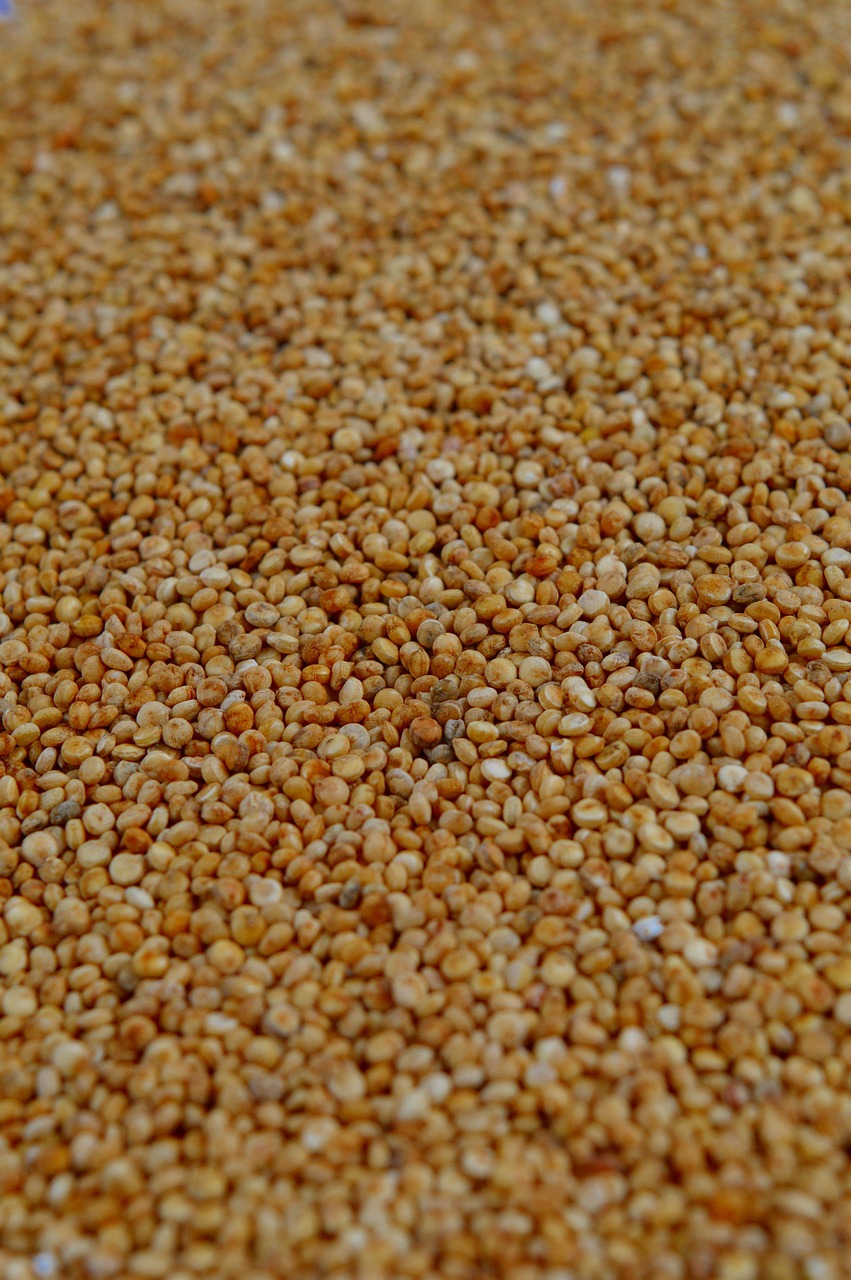
Quinoa
Complete protein and B vitamins support reproductive system
Quinoa is a superfood grain excellent for uterine and reproductive health, providing a complete nutritional profile. Provides complete protein containing all 9 essential amino acids. Protein is essential for uterine tissue repair, hormone production, and immune function. Very rich in B vitamins, important for energy production, hormone metabolism, and nervous system health. Particularly rich in riboflavin (B2) and vitamin B6. Contains folate, which supports DNA synthesis in uterine cells and healthy pregnancy. Rich in iron, which replenishes iron lost during menstruation and maintains energy levels. Rich in magnesium, which helps with uterine muscle relaxation, menstrual pain relief, and stress management. Very rich in manganese, which supports antioxidant enzyme function and reproductive hormone production. Contains zinc essential for reproductive health, hormonal balance, and immune function. Rich in phosphorus, important for cellular function and energy production. Rich in dietary fiber that helps stabilize blood sugar, support digestive health, and eliminate estrogen. Contains antioxidants (quercetin, kaempferol) that protect uterine cells from inflammation and oxidative damage. Gluten-free, making it ideal for women with gluten sensitivity or celiac disease. A low glycemic index food that stabilizes blood sugar and insulin levels, supporting hormonal balance. Beneficial for women with PCOS and irregular menstrual cycles. Consume 1 cup of cooked quinoa 3-4 times per week. Rinse quinoa in cold water before cooking. This removes saponins, which have a bitter taste. Use quinoa in salads, soups, stir-fries, and as a breakfast cereal substitute. Mix white, red, and black quinoa for diverse nutrients. Eating quinoa with leafy greens, legumes, and nuts provides nutritional synergy. Cook in bulk, store in the refrigerator, and use throughout the week.
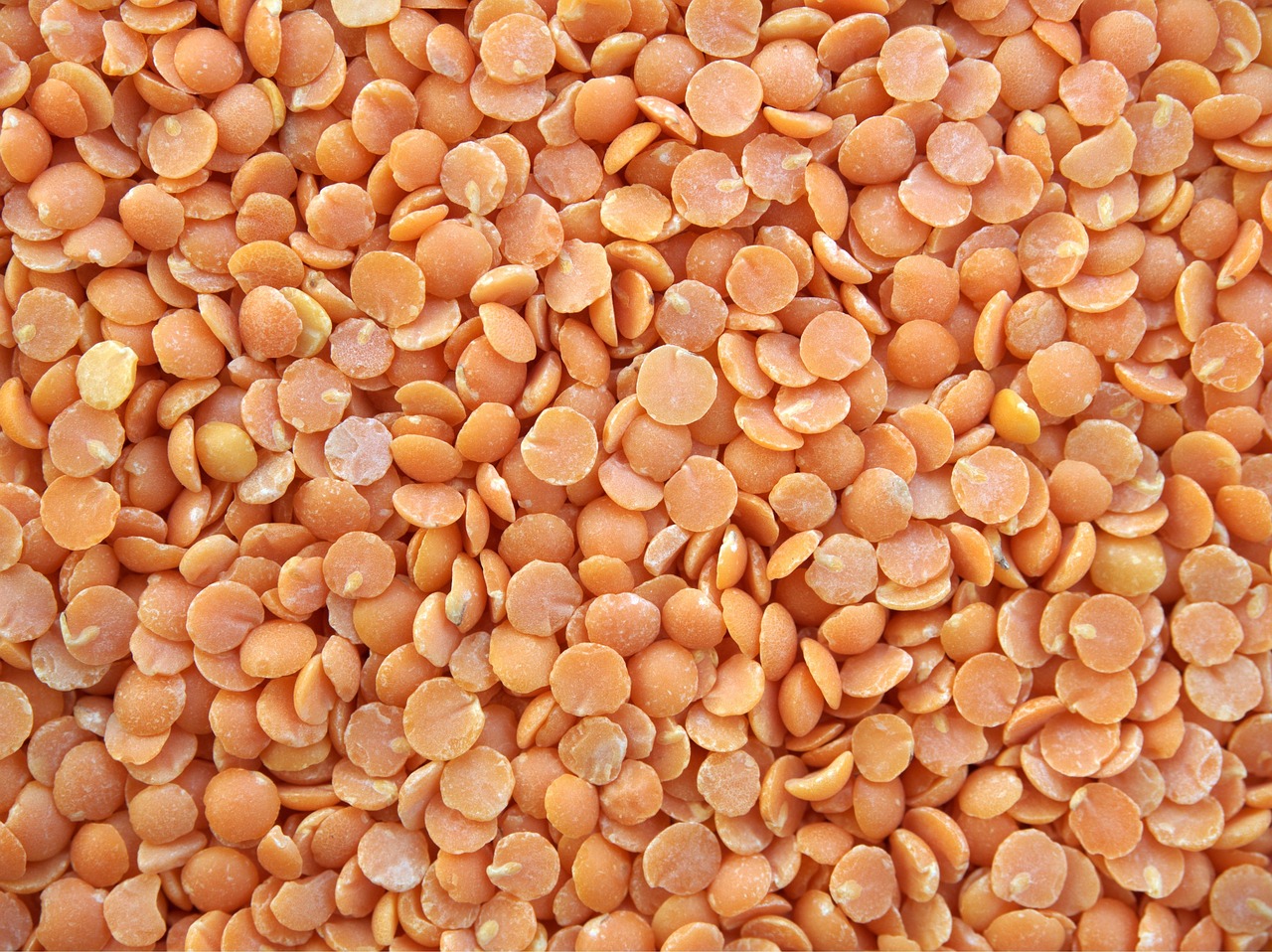
Lentils
Iron, folate, and fiber support women's health
Lentils are a powerhouse legume for uterine and women's reproductive health, packed with nutrients. Very rich in iron (about 6.6mg per cup), which replenishes iron lost during menstruation and prevents anemia. Iron deficiency is one of the most common nutritional deficiencies in women. Very rich in folate (about 90% of daily value per cup), essential for DNA synthesis, cell division, and healthy pregnancy in uterine cells. Rich in protein (about 18g per cup) that supports uterine tissue repair, hormone production, and immune function. An excellent source of plant-based protein. Very rich in dietary fiber (about 16g per cup) that helps eliminate estrogen, stabilize blood sugar, and support gut health. Fiber is crucial for hormonal balance. Contains magnesium, which helps relax uterine muscles and relieve menstrual pain. Contains zinc essential for reproductive health, hormonal balance, and immune function. Rich in vitamin B6, important for hormone metabolism and neurotransmitter production. Contains potassium, which helps with fluid balance and blood pressure regulation. Rich in antioxidants that protect uterine cells from oxidative stress and inflammation. A low glycemic index food that stabilizes blood sugar and insulin, supporting hormonal balance. Particularly beneficial for women with PCOS and uterine fibroids. Contains polyphenols with anti-inflammatory and antioxidant properties. Consume 1 cup of cooked lentils 3-4 times per week. Lentils cook quickly without soaking (20-30 minutes). They're easier to prepare than other legumes. Consume various colored lentils (green, brown, red, black). Each has a slightly different nutritional profile. Eating with vitamin C-rich foods (tomatoes, bell peppers, lemon) significantly increases iron absorption. Add lentils to soups, stews, salads, and curries. They're very versatile. Canned lentils are convenient but choose low-sodium products and rinse before using. Eating lentils with whole grains, leafy greens, and nuts makes a complete nutritious meal.
Disclaimer: This information is provided for educational purposes only. If you suspect uterine-related issues such as irregular periods, pelvic pain, heavy bleeding, uterine fibroids, or endometriosis, consult with an obstetrician-gynecologist. Uterine conditions require early diagnosis and appropriate treatment.