
5 Foods Good for Tendon and Ligament Health
Foods rich in essential nutrients that help strengthen and repair tendons and ligaments
February 12, 2026
Collagen-Rich Foods
Core component of connective tissue structure
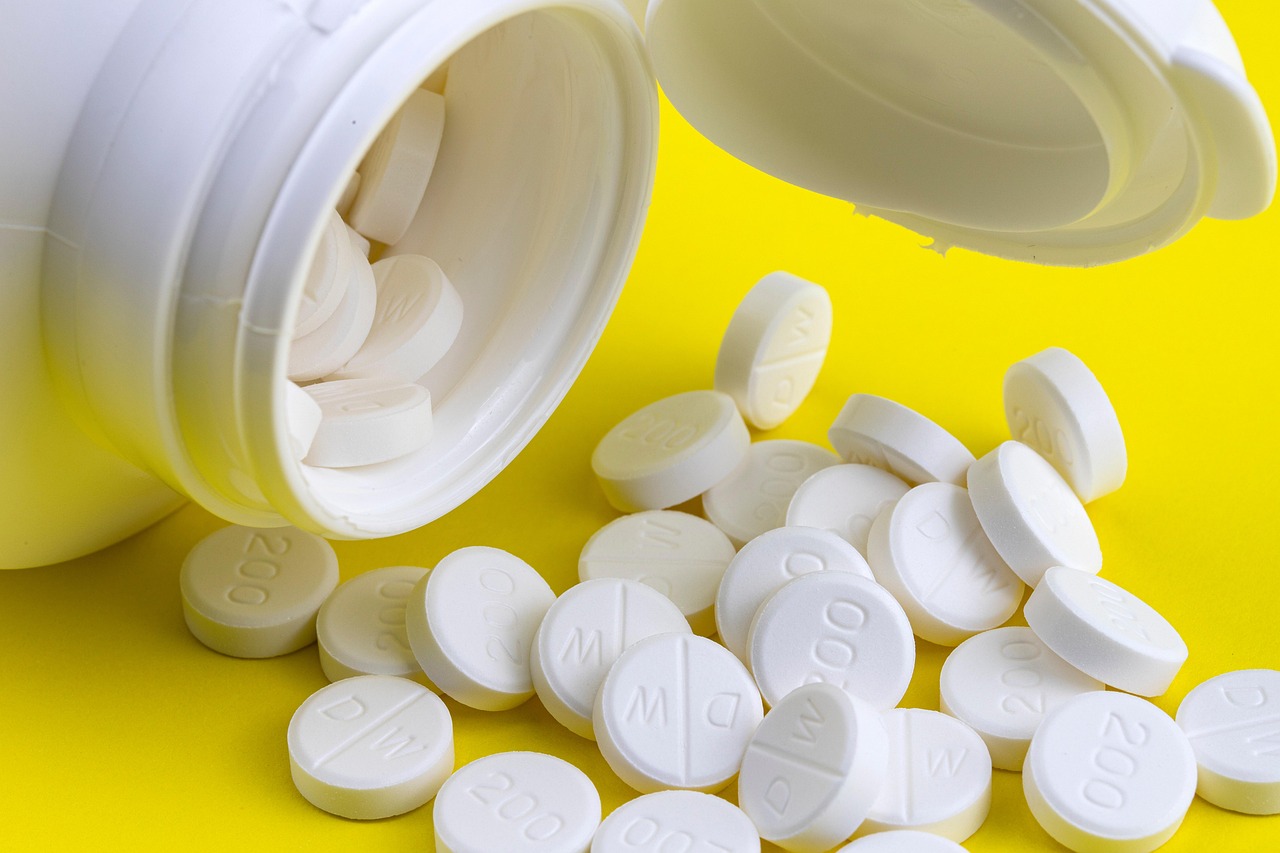
Collagen is the primary protein component of tendons and ligaments, providing strength and flexibility. Bone broth, chicken skin, fish, pork skin, and gelatin are excellent sources of natural collagen. Simmering bone broth for 12-24 hours extracts collagen from bones and connective tissues, providing amino acids glycine, proline, and hydroxyproline. These amino acids are essential for synthesizing new collagen fibers in the body and support the repair of damaged tendons and ligaments. Research shows that collagen intake can improve tendon strength and reduce injury recovery time. Hydrolyzed collagen (collagen peptides), a supplement form of collagen, is easily absorbed by the body. Daily intake of 10-15g of collagen peptides has been shown to be clinically beneficial for connective tissue health. Consuming collagen before exercise supplies amino acids to tendons and ligaments, promoting tissue strengthening during activity. Combining with vitamin C further enhances collagen synthesis. Consistent intake for at least 3 months is necessary to see noticeable improvements in tendon and ligament health.
Vitamin C-Rich Fruits and Vegetables
Essential nutrient for collagen synthesis
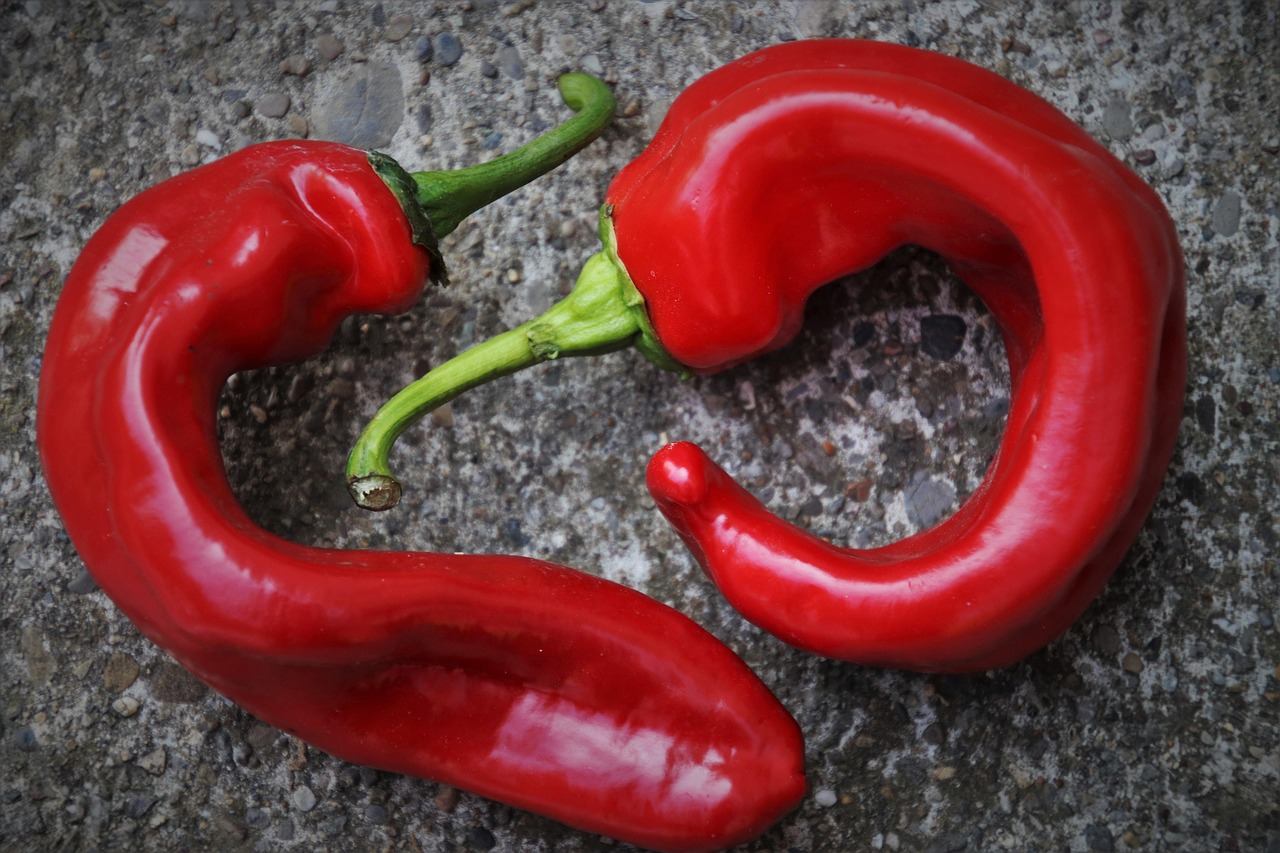
Vitamin C is an essential cofactor for collagen production, required to convert proline and lysine into hydroxyproline and hydroxylysine. Oranges, kiwi, strawberries, bell peppers, broccoli, and tomatoes are excellent sources of vitamin C. Vitamin C deficiency impairs collagen synthesis, weakening tendons and ligaments and making them vulnerable to injury. One red bell pepper contains about 190mg of vitamin C, providing more than twice the daily recommended amount (75-90mg). Vitamin C is also a powerful antioxidant that protects connective tissue from oxidative stress caused by exercise. Research shows that vitamin C intake before and after exercise stimulates collagen synthesis and improves tendon recovery. Vitamin C is water-soluble and not stored in the body, so it must be consumed daily. Heat can destroy vitamin C, so it's best to eat fresh fruits and vegetables raw or lightly cooked. Combining collagen-rich foods with vitamin C creates a synergistic effect that maximizes tendon and ligament health. Daily intake of 200-500mg of vitamin C has been found optimal for connective tissue recovery and strengthening.

Eggs
High-quality protein and sulfur-containing amino acids
Eggs provide high-quality complete protein essential for tendon and ligament health. One egg contains about 6g of protein and all essential amino acids, making it ideal for connective tissue repair. Eggs are rich in sulfur-containing amino acids methionine and cysteine, which are essential for cross-link formation in collagen and elastin. These cross-links provide tendons and ligaments with strength and elasticity to withstand movement and stress. Egg yolks are rich in vitamin D, supporting calcium absorption and health of bone-tendon junctions. Eggs are also rich in leucine, which stimulates protein synthesis and promotes repair of damaged connective tissue. The choline in eggs plays an important role in cell membrane integrity and tissue repair. Consuming eggs after exercise quickly supplies amino acids needed for tendons and ligaments. Eggs have high bioavailability, being efficiently absorbed and utilized by the body. Consuming 2-3 eggs daily provides sufficient protein and nutrients for connective tissue health.

Gelatin
Easily digestible form of collagen
Gelatin is partially hydrolyzed collagen obtained by boiling animal bones and connective tissues. Gelatin is easier to digest and absorb than collagen, rapidly supplying amino acids to tendons and ligaments. Rich in glycine, proline, and hydroxyproline, it directly contributes to connective tissue repair and strengthening. Research shows that consuming gelatin with vitamin C before exercise increases collagen synthesis and improves tendon strength. Consuming 10-15g of gelatin 30-60 minutes before exercise is effective for maximizing connective tissue adaptation. Gelatin helps lubricate joints and absorb shock, reducing stress on tendons and ligaments. The glycine in gelatin has anti-inflammatory properties that reduce inflammation and promote tissue recovery. Gelatin powder can be easily mixed into water, juice, or smoothies for convenient consumption. Vegetarians can consider agar derived from seaweed or plant-based collagen builder supplements as alternatives. Consistent gelatin intake is particularly beneficial for people recovering from chronic tendon problems or ligament injuries.
Mango and Tropical Fruits
Rich in vitamin C and antioxidants
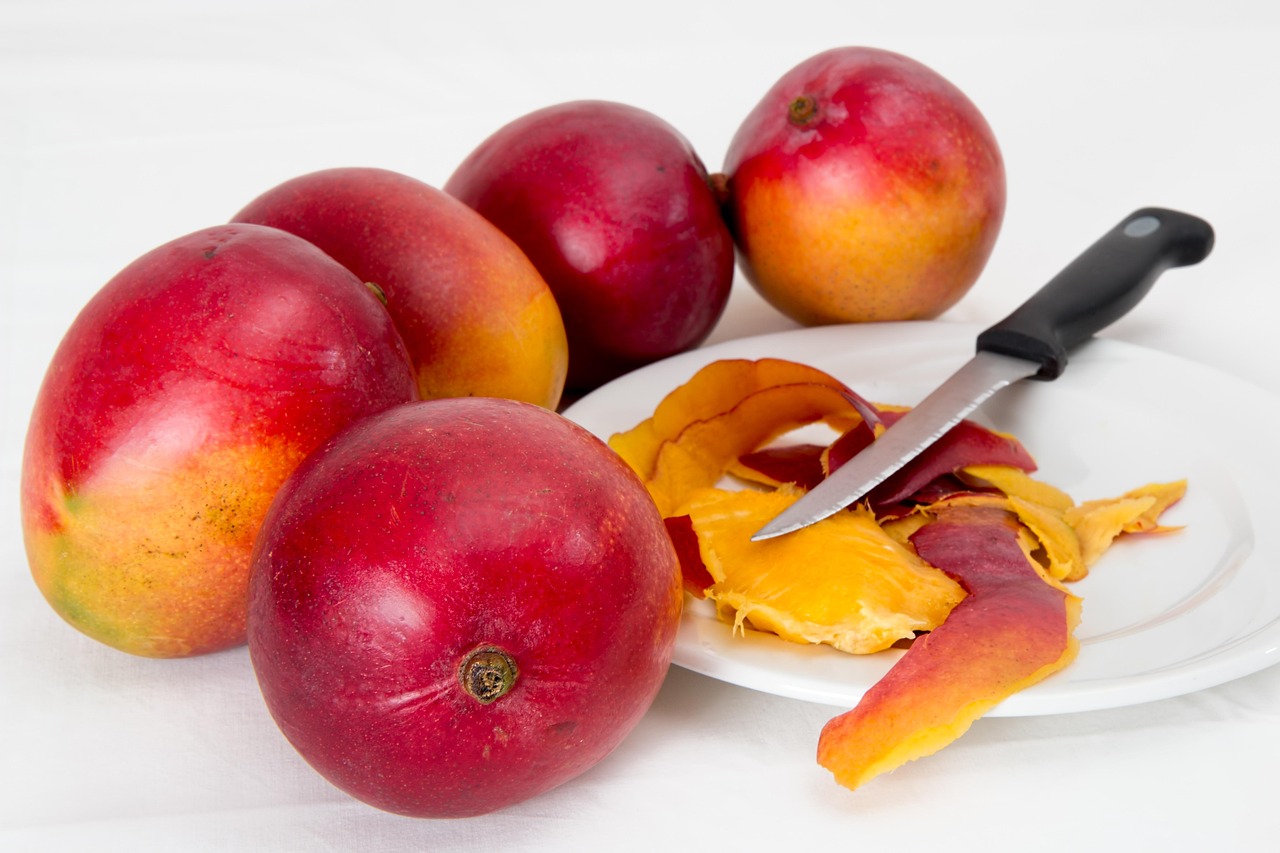
Tropical fruits like mango, papaya, pineapple, and guava are rich in vitamin C and powerful antioxidants. One mango contains about 60mg of vitamin C, supporting collagen synthesis. Pineapple contains an enzyme called bromelain that reduces inflammation and promotes tendon injury recovery. Bromelain has been studied to reduce swelling and accelerate healing of damaged tissue. Papaya's papain enzyme aids protein digestion and provides anti-inflammatory effects to support connective tissue recovery. The beta-carotene and vitamin A in tropical fruits are essential for tissue repair and cell regeneration. Guava has very high vitamin C content, providing 228mg per 100g, more than four times that of oranges. Polyphenols and flavonoids in tropical fruits reduce oxidative stress to protect tendons and ligaments. Natural sugars support overall recovery by replenishing glycogen after exercise. Consuming 1-2 servings of tropical fruits daily provides sufficient vitamin C and antioxidants needed for connective tissue health.
Disclaimer: This information is provided for educational purposes only and cannot replace professional medical advice. If you have a tendon or ligament injury or chronic pain, be sure to consult an orthopedic specialist or sports medicine professional.