
Top 5 Foods for Spine Health
Nutrient-rich foods that strengthen the spine and support disc health
February 14, 2026
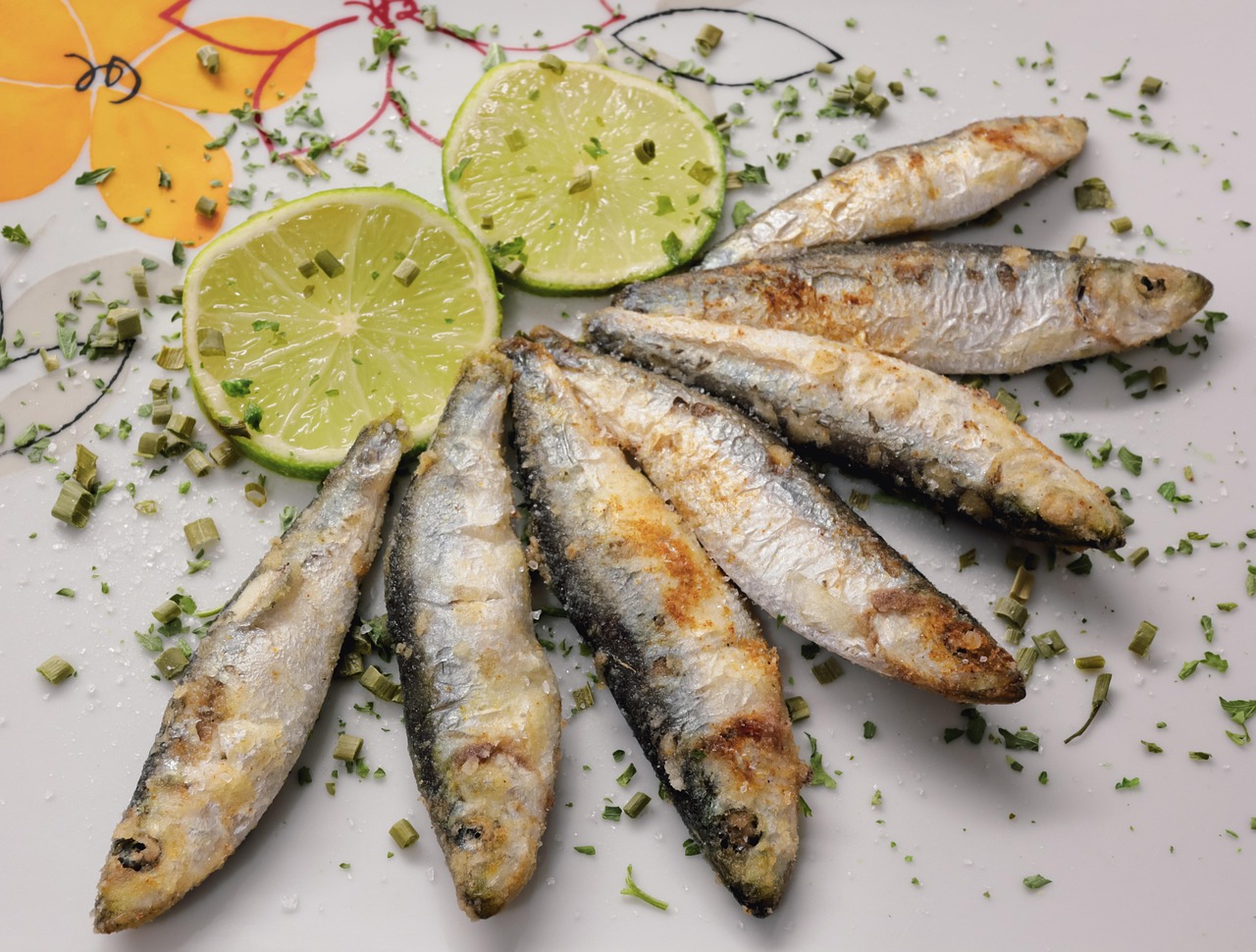
Sardines
Calcium and vitamin D strengthen spine bones
Sardines are one of the best foods rich in calcium and vitamin D, essential for spinal bone health. One serving of sardines (about 85g) contains approximately 325mg of calcium, providing about 30% of the daily recommended amount. The bones in sardines are edible, making calcium absorption very efficient, which is important for maintaining spinal bone density and strength. Vitamin D promotes calcium absorption and helps mineralize spine bones. 85g of sardines contains about 70% of the daily recommended vitamin D. Sardines are rich in omega-3 fatty acids (EPA, DHA), which help reduce inflammation around the spine and discs, alleviating pain. Omega-3s have also been studied to increase spinal bone density and lower osteoporosis risk. Sardines are rich in phosphorus, which works with calcium to strengthen the structure of spine bones. Sardines are rich in vitamin B12, which supports nerve health and helps maintain spinal nerve function. Sardines contain antioxidants like selenium that reduce oxidative stress in spinal tissues. Sardines are a low-mercury fish that can be safely consumed frequently. Consumption 2-3 times per week is recommended. Canned sardines are convenient, affordable, and highly nutritious, making them an ideal choice for spinal health.
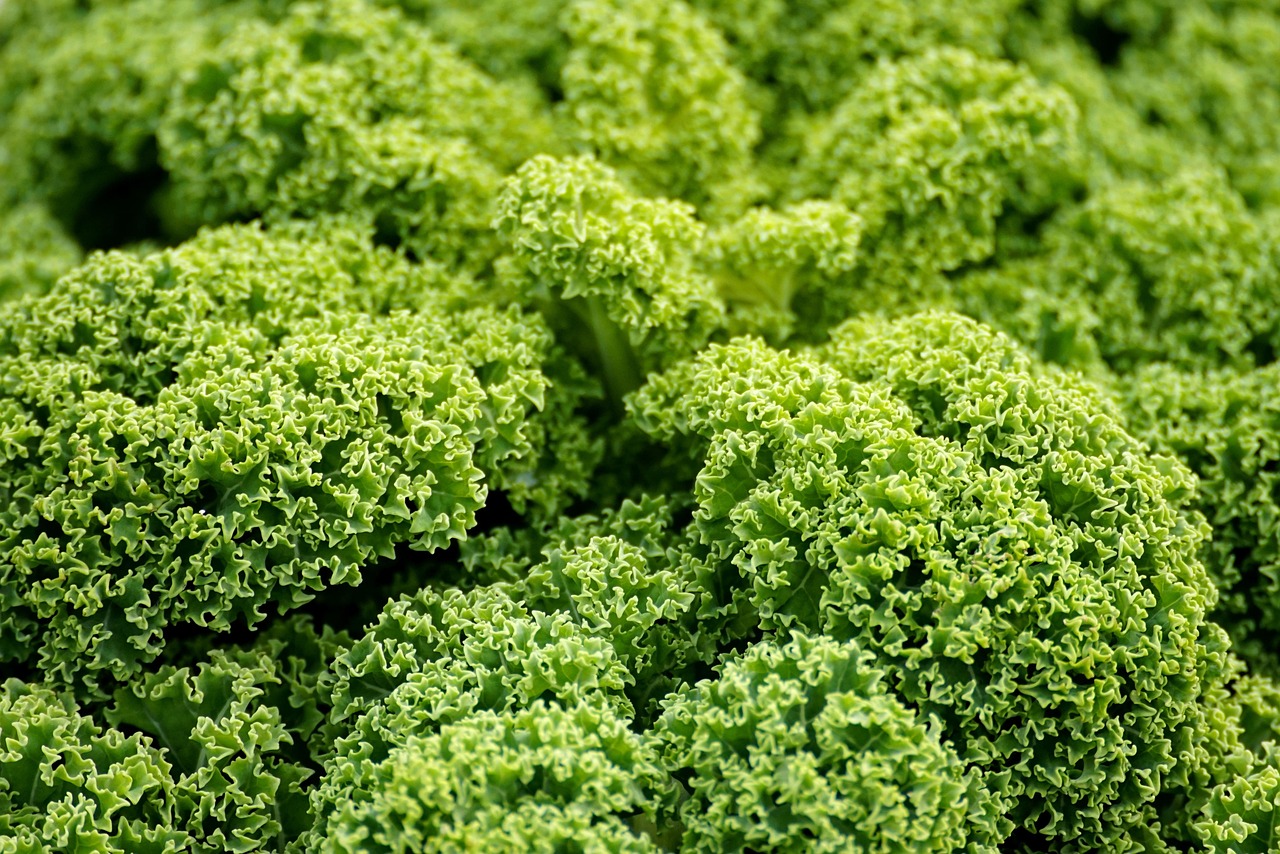
Kale
Calcium, magnesium, and vitamin K support spine bone health
Kale is a superfood packed with nutrients essential for spinal health. One cup of cooked kale contains about 177mg of calcium, helping to strengthen spine bones and maintain bone density. Calcium in kale has a higher absorption rate (about 49%) compared to dairy products, making it efficiently utilized by the body. Kale is extremely rich in vitamin K, with 1 cup containing about 1,000% of the daily recommended amount. Vitamin K helps calcium deposit into bones and reduces spine fracture risk. Rich in magnesium, which balances with calcium and supports structural development of spine bones. Magnesium deficiency can increase osteoporosis risk. Kale is rich in vitamin C, which promotes collagen production, a component of spinal discs and ligaments. Antioxidants in kale (beta-carotene, flavonoids) reduce inflammation and oxidative damage in spinal tissues, slowing age-related spinal degeneration. Kale contains folate and vitamin B6, which lower homocysteine levels and protect bone health. High homocysteine is associated with osteoporosis. Kale is low in calories and high in dietary fiber, helping maintain healthy weight and reducing burden on the spine. Kale can be consumed raw in salads, lightly steamed, or blended in smoothies. Daily consumption of 1-2 cups is recommended.

Greek Yogurt
Calcium and probiotics support bone and gut health
Greek yogurt is an excellent source of calcium and protein essential for spinal bone health. One cup of Greek yogurt contains about 200-250mg of calcium, helping to maintain spinal bone density and strength. Greek yogurt has about twice the protein of regular yogurt (about 15-20g per cup), important for strengthening muscles around the spine and supporting it. Strong core muscles reduce burden on the spine and help maintain proper posture. Greek yogurt is rich in probiotics that improve gut health, which increases absorption rates of calcium and other nutrients. Greek yogurt is rich in phosphorus, which works with calcium to strengthen spinal bone structure. Greek yogurt is a good source of vitamin B12, supporting spinal nerve health and function. Greek yogurt has a low glycemic index, stabilizing blood sugar and reducing chronic inflammation to protect spinal health. Choose fat-free or low-fat Greek yogurt to reduce saturated fat intake and support cardiovascular health. Avoid yogurts with added sugar; instead, add fresh berries, nuts, and chia seeds to increase nutritional value. Consuming 1 cup of Greek yogurt daily as breakfast or a snack is ideal for spinal health.
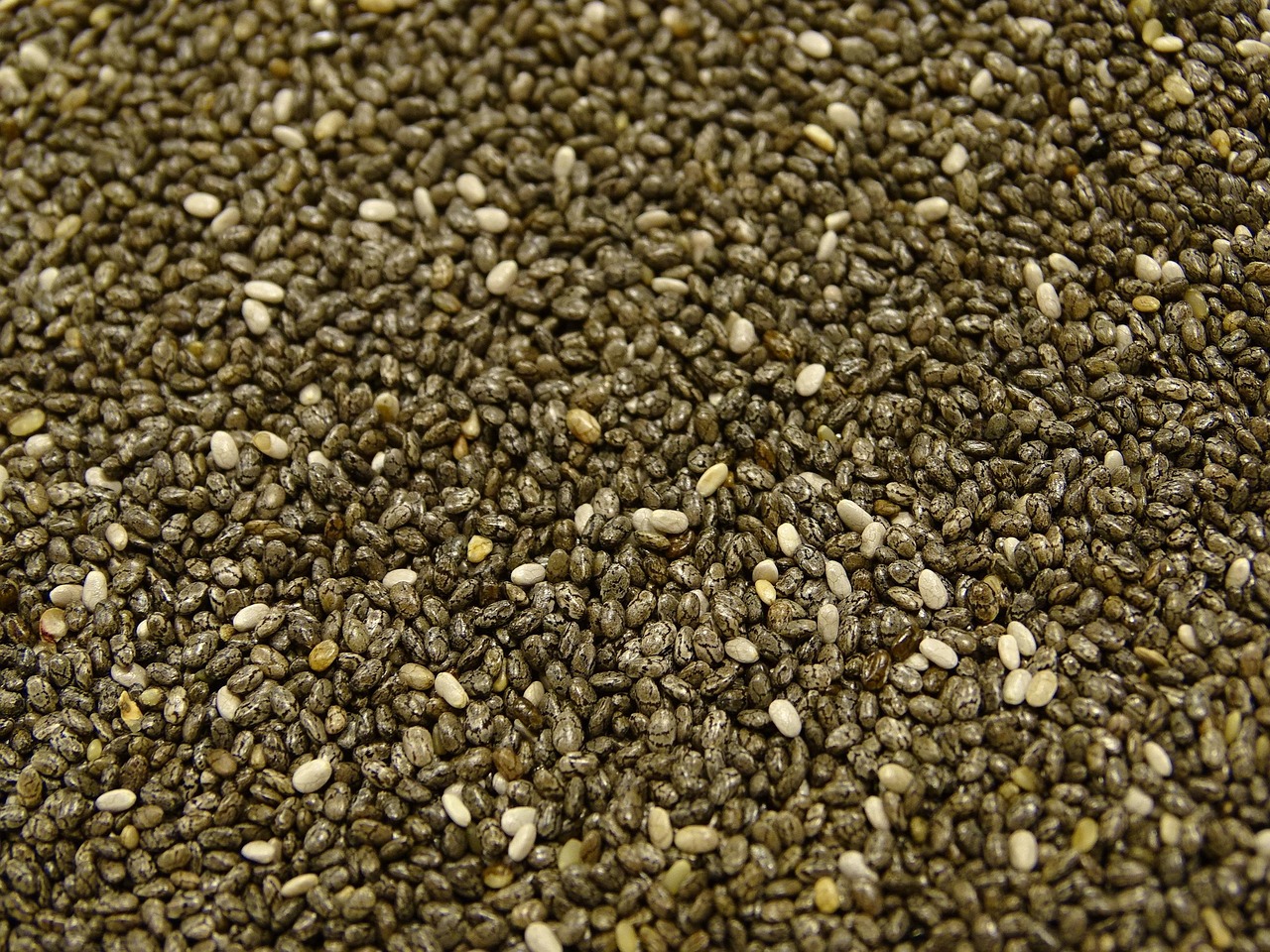
Chia Seeds
Omega-3s and calcium reduce inflammation and strengthen bones
Chia seeds are small but powerful foods rich in nutrients needed for spinal health. One ounce of chia seeds (about 28g, 2 tablespoons) contains approximately 180mg of calcium, providing more calcium than the same amount of milk. Chia seeds are very rich in plant-based omega-3 fatty acids (alpha-linolenic acid, ALA), which reduce inflammation around the spine and discs. Chronic inflammation is a major cause of spinal disc degeneration and back pain, so omega-3 intake is very important for maintaining spinal health. Chia seeds are rich in magnesium, which aids calcium absorption and maintains spinal bone density. One ounce contains about 95mg of magnesium. Chia seeds are rich in phosphorus, helping to strengthen the mineral structure of spine bones. Chia seeds are a source of high-quality plant protein needed to maintain and repair muscles around the spine. Chia seeds are rich in antioxidants that protect spinal tissues from oxidative damage and slow age-related degeneration. Chia seeds are very high in dietary fiber, helping healthy weight management and reducing excessive pressure on the spine. Chia seeds form a gel when soaked in water, maintaining fullness longer and preventing overeating. Chia seeds can be easily added to various foods like smoothies, yogurt, oatmeal, salads, and baking. Daily consumption of 1-2 tablespoons is recommended.

Sweet Potatoes
Anti-inflammatory compounds and potassium support spinal health
Sweet potatoes are root vegetables rich in various nutrients that support spinal health. Sweet potatoes are very rich in beta-carotene, which converts to vitamin A in the body. Vitamin A is essential for spinal bone growth and remodeling. One medium sweet potato contains about 400% of the daily recommended vitamin A. Powerful antioxidants in sweet potatoes reduce oxidative stress and inflammation in spinal tissues, helping prevent disc degeneration and back pain. Sweet potatoes are rich in potassium, maintaining acid-base balance and preventing calcium loss from bones. One medium sweet potato contains about 540mg of potassium. Sweet potatoes are rich in manganese, which plays an important role in bone formation and metabolism, maintaining spinal bone health. Sweet potatoes are rich in vitamin C, promoting collagen synthesis, a major component of spinal discs and ligaments. Dietary fiber in sweet potatoes improves gut health, increasing absorption of nutrients essential for bone health like calcium and magnesium. Sweet potatoes have a relatively low glycemic index, stabilizing blood sugar and reducing chronic inflammation to protect spinal health. Sweet potatoes contain choline, which supports nerve transmission and spinal nerve health. Sweet potatoes can be consumed baked, steamed, or mashed in various ways. Consumption 3-4 times per week is recommended, with even higher nutritional value when eaten with the skin.
Disclaimer: This information is provided for educational purposes only and cannot replace professional medical advice. If you have spinal pain or disc disease, be sure to consult an orthopedic specialist or spine specialist.