
5 Foods Good for Prostate Health
Foods that help prostate function and prevent enlargement
February 8, 2026

Tomatoes
Lycopene reduces prostate cancer risk and promotes prostate health
Tomatoes are one of the best foods for prostate health, rich in the powerful antioxidant lycopene. Lycopene concentrates in prostate tissue, protecting the prostate from oxidative stress and DNA damage. Tomatoes are the top dietary source of lycopene. Research shows that lycopene intake can reduce prostate cancer risk by up to 35%. It's particularly effective in preventing aggressive forms of prostate cancer. Anti-inflammatory properties reduce prostate inflammation, a major cause of benign prostatic hyperplasia (BPH). Chronic inflammation is a key factor in prostate problems. Inhibits abnormal proliferation of prostate cells, helping prevent prostate enlargement. Helps lower prostate-specific antigen (PSA) levels. Elevated PSA is an indicator of prostate issues. Rich in vitamin C, supporting immune function and protecting the prostate from infections. Contains potassium, aiding in blood pressure regulation and fluid balance around the prostate. High in fiber, supporting digestive health and helping eliminate excess estrogen from the body. Estrogen imbalance is linked to prostate enlargement. Cooked tomatoes have much higher lycopene bioavailability than raw tomatoes. Heat releases lycopene, making it easier for the body to absorb. Consume tomato sauce, tomato paste, and tomato juice regularly. Concentrated forms have higher lycopene content. Eat with olive oil to significantly increase lycopene absorption. Lycopene is fat-soluble, so it needs to be consumed with fat for optimal absorption. Aim for at least 10 servings of tomato-based foods per week. Tomato ketchup is also a good source of lycopene, but choose products with low sugar content. Watermelon and pink grapefruit also contain lycopene and benefit prostate health.
Broccoli
Sulforaphane inhibits prostate cancer cell growth
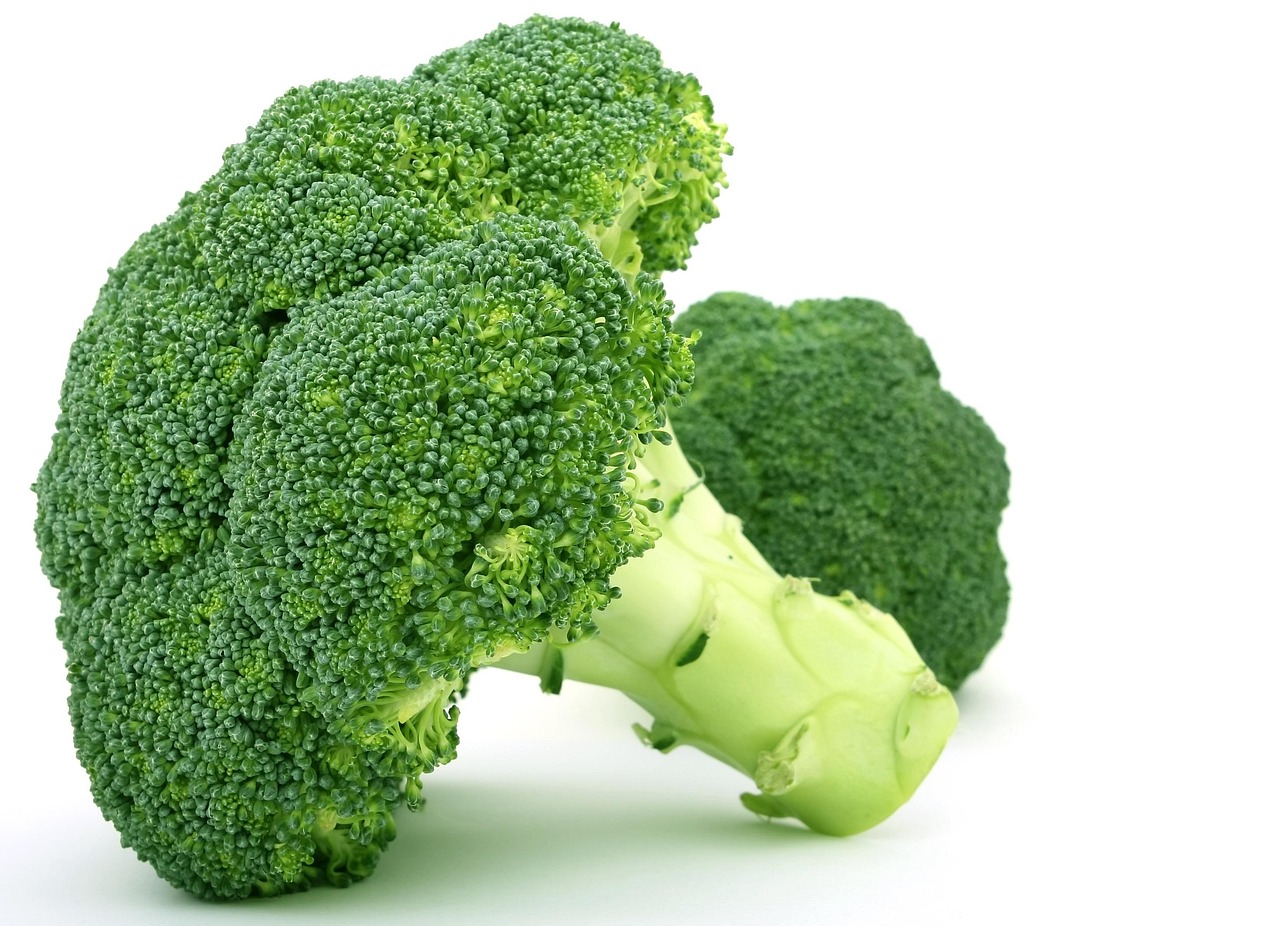
Broccoli and other cruciferous vegetables contain powerful compounds that protect the prostate. Rich in sulforaphane, a potent anti-cancer compound that inhibits prostate cancer cell growth and induces cancer cell death. Sulforaphane is the signature anti-cancer component of cruciferous vegetables. Research shows that consuming broccoli 3 or more times per week can reduce prostate cancer risk by up to 60%. Glucosinolate compounds convert in the body to anti-cancer substances that protect prostate cell DNA. Powerful anti-inflammatory action prevents prostate inflammation and prostatitis. Contains indole-3-carbinol (I3C), which improves estrogen metabolism and helps balance hormones. Excess estrogen is one cause of prostate enlargement. Rich in antioxidants, protecting prostate cells from oxidative damage and aging. Very high in vitamin C, strengthening immune function and supporting prostate health. High in vitamin K, important for bone health and blood clotting. Contains folate, essential for DNA synthesis and cell division. Rich in fiber, supporting digestive health and weight management. Obesity is a risk factor for prostate problems. Lightly steaming or blanching broccoli maximizes sulforaphane content. Excessive cooking destroys anti-cancer compounds. Chew broccoli thoroughly. The chewing process converts glucosinolates into active sulforaphane. Broccoli sprouts contain 10-100 times more sulforaphane than mature broccoli. Add them to salads or sandwiches. Consume broccoli at least 3-4 times per week. Also include other cruciferous vegetables (cabbage, cauliflower, kale). Eating with mustard powder or wasabi increases sulforaphane formation.

Green Tea
Catechins prevent prostate enlargement and have anti-cancer effects
Green tea is an excellent beverage for prostate health, rich in powerful polyphenol antioxidants. Rich in EGCG (epigallocatechin gallate), a powerful catechin that inhibits prostate cancer cell growth and induces cancer cell death. EGCG is green tea's most potent anti-cancer component. Research shows that drinking 3-5 cups of green tea daily significantly reduces prostate cancer risk. The low prostate cancer rates in Asian countries are linked to high green tea consumption. Improves benign prostatic hyperplasia (BPH) symptoms and slows prostate size increase. Inhibits 5-alpha-reductase activity, reducing DHT (dihydrotestosterone) production. DHT is the primary hormone causing prostate enlargement. Anti-inflammatory action reduces prostate inflammation and prevents prostatitis. Powerful antioxidant action protects prostate cells from oxidative stress and DNA damage. Green tea's antioxidant capacity is stronger than vitamins C and E. Improves vascular health, increasing blood flow to the prostate and helping eliminate toxins. Strengthens immune function, protecting the prostate from infections. Supports weight management and increases metabolism. Obesity is a risk factor for prostate problems. Caffeine content is about 1/3 that of coffee, providing health benefits without excessive stimulation. Drink 3-5 cups of green tea daily. Each cup is about 240ml. Brew in hot water (about 70-80°C) for 2-3 minutes. Water that's too hot causes bitterness and destroys catechins. Drink with meals or after eating. Drinking on an empty stomach may cause discomfort. Adding lemon increases catechin absorption. Vitamin C stabilizes EGCG. Choose high-quality organic green tea. Loose leaf tea has higher catechin content than tea bags. If caffeine-sensitive, avoid in the evening or choose decaffeinated green tea.
Walnuts
Omega-3 fatty acids and plant sterols reduce prostate inflammation
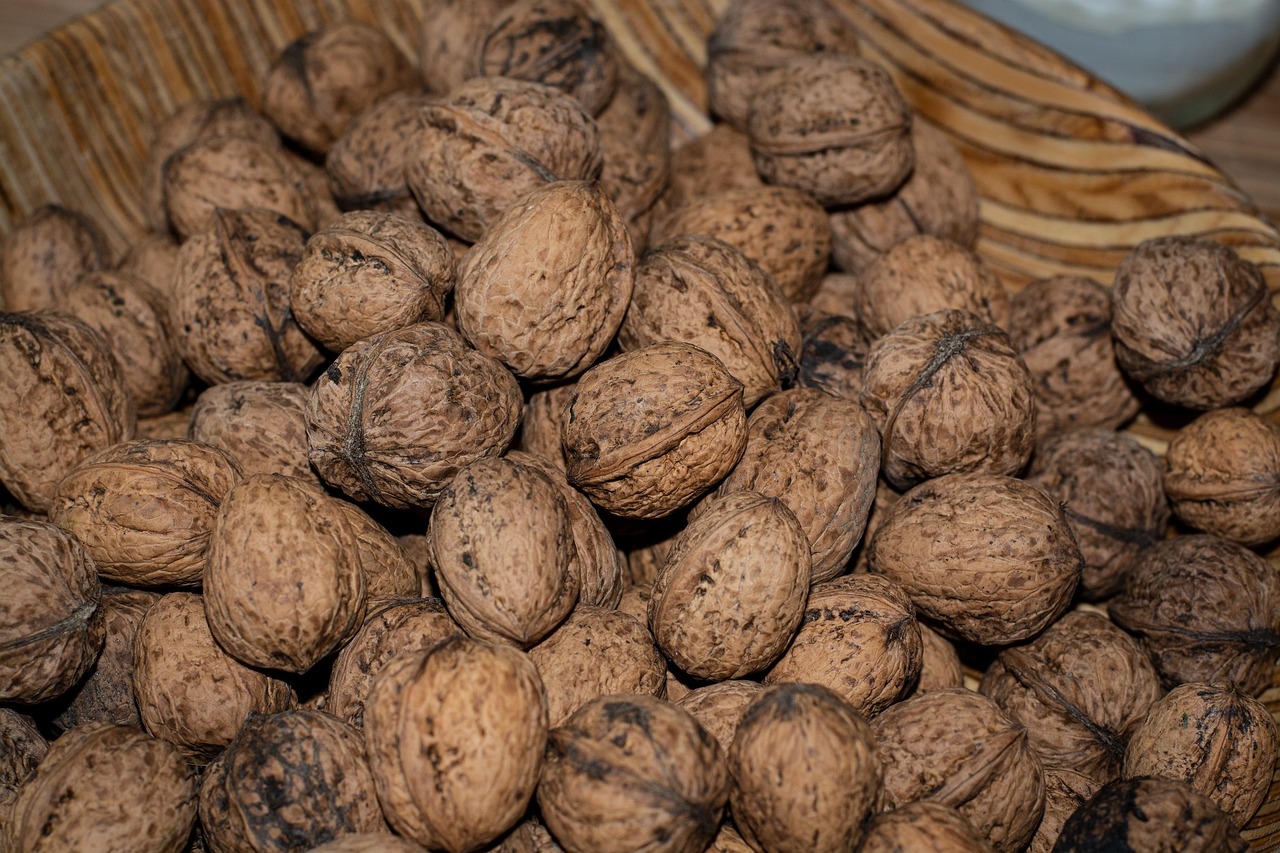
Walnuts are an extremely beneficial nut for prostate health, providing a unique combination of nutrients. Very rich in alpha-linolenic acid (ALA), a plant-based omega-3 fatty acid that significantly reduces prostate inflammation. Chronic inflammation is a risk factor for prostate enlargement and cancer. Research shows that walnut consumption slows prostate cancer cell growth and reduces tumor size. Rich in plant sterols like beta-sitosterol, which improve benign prostatic hyperplasia (BPH) symptoms. Reduces urinary frequency and urgency. Rich in powerful antioxidants (ellagic acid, polyphenols), protecting prostate cells from oxidative damage. Helps balance hormones and inhibits testosterone conversion to DHT. Rich in vitamin E, providing antioxidant action and protecting prostate cell membranes. Contains magnesium, helping with muscle relaxation and improving blood flow around the prostate. Contains zinc, essential for prostate function and testosterone production. The prostate is an organ with high zinc concentration. Rich in fiber, supporting gut health and helping eliminate excess estrogen. Improves heart health, increasing blood flow to the prostate. Activates anti-cancer genes and strengthens cancer-suppressor genes. Consume about 30g (7-10 walnuts) daily. Raw walnuts preserve more nutrients than roasted ones. Choose walnuts in shells and crack them fresh. Freshness affects nutrient content. Add to salads, oatmeal, yogurt, or eat as a snack. Soaking walnuts in water makes them easier to digest and increases nutrient absorption. Walnuts oxidize easily, so store in airtight containers in the refrigerator or freezer.
Pomegranate
Polyphenols decrease PSA levels and inhibit prostate cancer progression
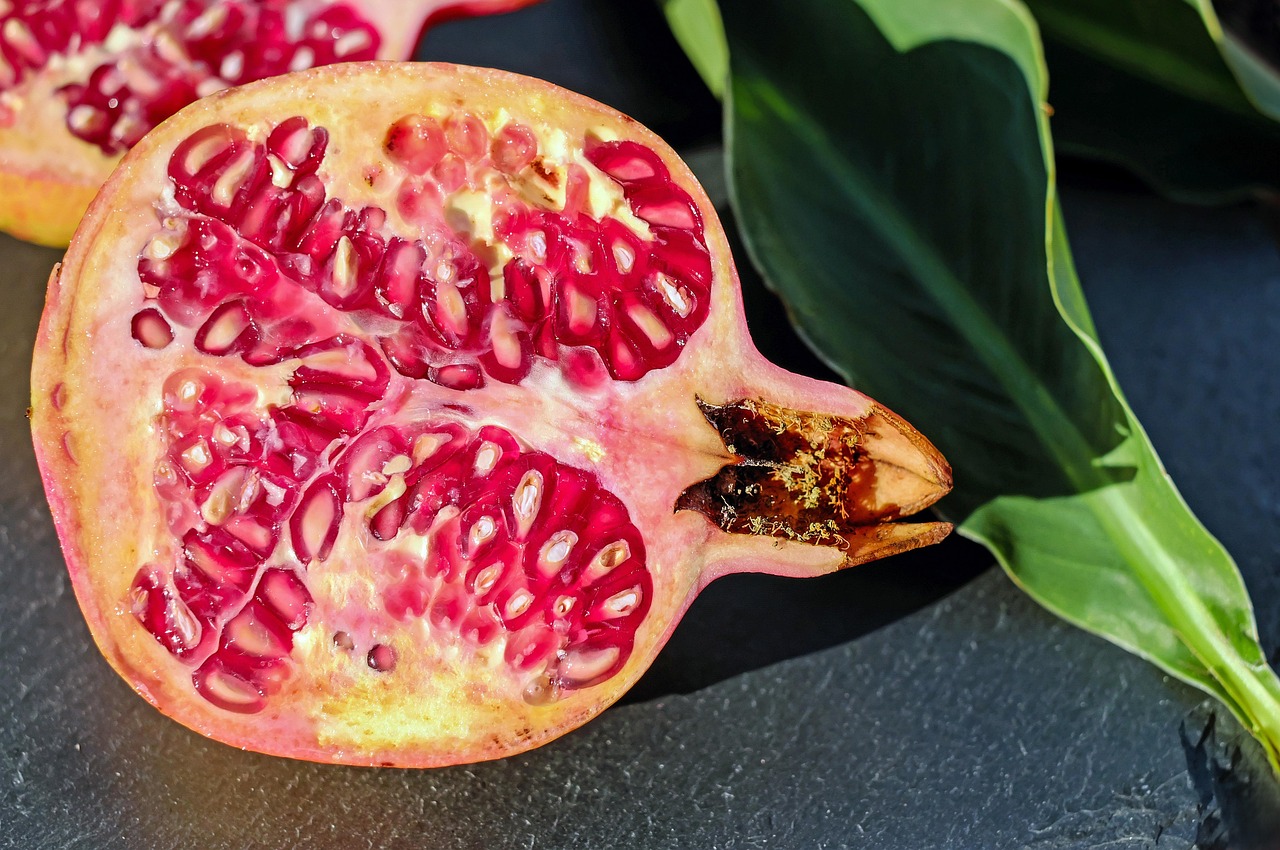
Pomegranate is one of the most powerful fruits for prostate health, with a unique antioxidant profile. Rich in powerful polyphenols like punicalagin and ellagic acid that inhibit prostate cancer cell growth and induce cancer cell death. Pomegranate's antioxidant capacity is more than 3 times higher than red wine and green tea. Clinical studies show that pomegranate juice extended PSA doubling time in prostate cancer patients to 54 months. Longer PSA doubling time means slower cancer progression. Slows or decreases the rise in prostate-specific antigen (PSA) levels. PSA is an important indicator of prostate health. Anti-inflammatory action reduces prostate inflammation and relieves prostatitis symptoms. Inhibits 5-alpha-reductase, reducing DHT production and preventing prostate enlargement. Improves vascular health, increasing blood flow to the prostate and enhancing nutrient delivery. Increases nitric oxide production, helping with vasodilation and improved blood flow. Strengthens immune function, protecting the prostate from infections and abnormal cells. Rich in vitamin C, providing antioxidant action and supporting collagen production. Contains potassium, helping with blood pressure regulation and fluid balance. Rich in fiber, supporting digestive health and weight management. Drink 240ml of pomegranate juice daily or eat half a pomegranate. Choose 100% pure pomegranate juice. Select products without added sugar or other fruit juices. Pomegranate concentrate or pomegranate extract supplements are also effective. Check for standardized polyphenol content. Eat fresh pomegranate by peeling it yourself. Eating the seeds provides more fiber and antioxidants. Add pomegranate to salads, yogurt, or oatmeal. Pomegranate juice is calorie-dense (about 150 calories per 240ml), so moderate your intake.
Disclaimer: This information is for educational purposes only. If you experience urinary problems, elevated PSA levels, suspected prostate enlargement, or prostate cancer, consult a urologist. Prostate conditions require early detection and appropriate treatment.