
Top 5 Foods for Muscle Health
Discover nutrient-rich foods that support muscle growth and maintenance
February 11, 2026
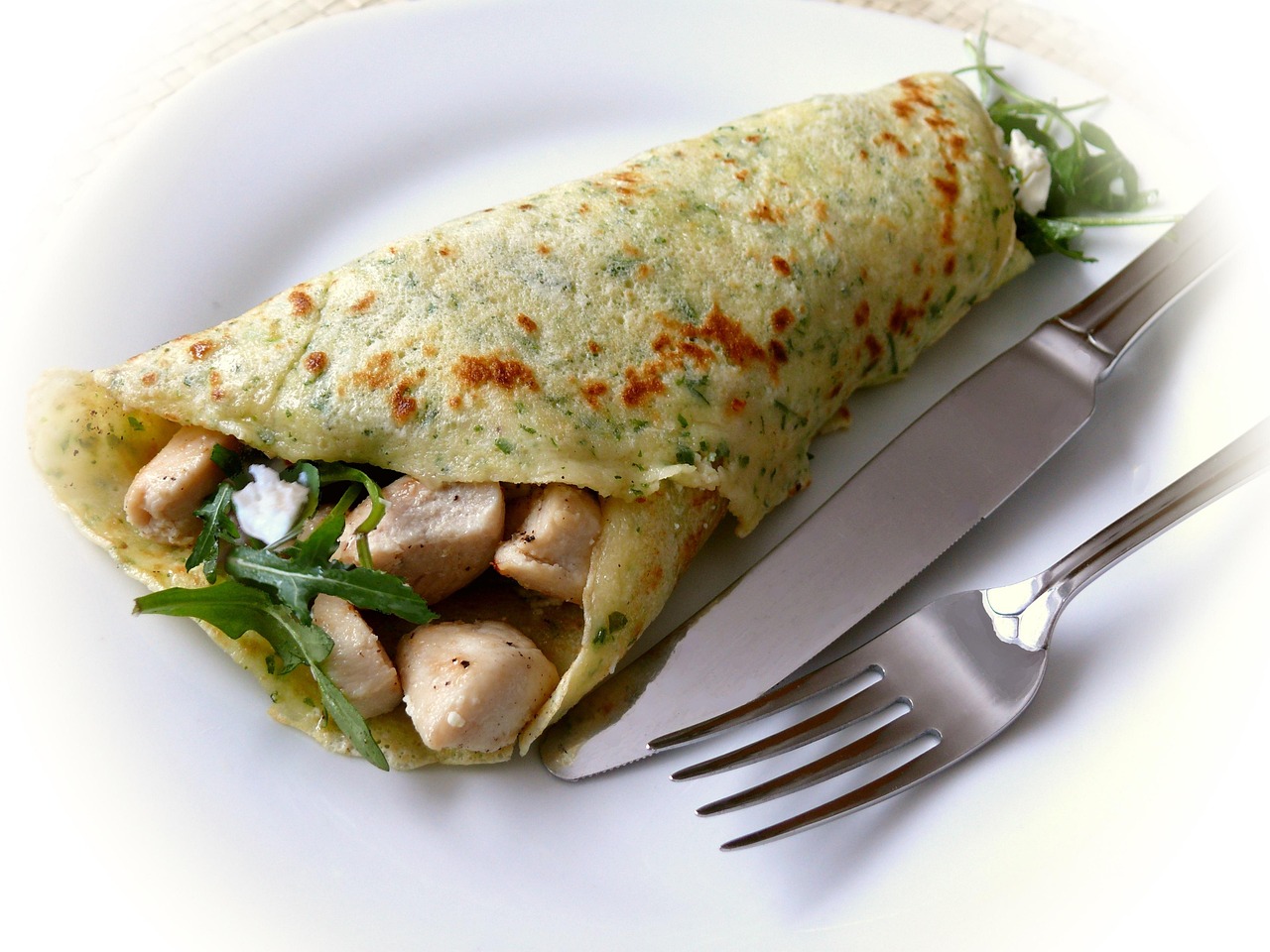
Chicken Breast
High-quality protein for muscle growth
Chicken breast is one of the premier sources of high-quality protein essential for muscle building and recovery. It provides approximately 31 grams of protein per 100g serving, with minimal fat content, making it ideal for lean muscle development and weight management. Rich in essential amino acids, particularly leucine, which plays a crucial role in stimulating muscle protein synthesis. Leucine activates the mTOR pathway, a key regulator of muscle growth and cellular protein production. Chicken is also abundant in B vitamins, especially niacin and B6, which are essential for energy metabolism during exercise. Consuming chicken breast post-workout accelerates the repair of damaged muscle fibers and promotes muscle hypertrophy. Research demonstrates that the protein in chicken has a high biological value, similar to whey protein, for muscle building. It also contains selenium and zinc, which contribute to immune function and antioxidant protection against exercise-induced stress. When combined with resistance training, chicken consumption maximizes gains in muscle strength and lean mass. For optimal muscle health, consume 0.4-0.5g of protein per kilogram of body weight per meal, which chicken breast can easily provide.

Greek Yogurt
Rich in protein and probiotics
Greek yogurt contains nearly double the protein of regular yogurt, making it an exceptional food for muscle recovery. One cup (170g) provides approximately 17-20 grams of protein, perfect as a snack or meal replacement. It contains a combination of whey and casein proteins, offering both rapid absorption and sustained amino acid release. Whey is quickly digested, supporting immediate post-workout muscle recovery, while casein digests slowly, providing prolonged muscle nourishment. Probiotics in Greek yogurt improve gut health, enhancing nutrient absorption and overall muscle growth capacity. Rich in calcium, which is crucial for muscle contraction, nerve transmission, and supporting healthy bones. Studies show that consuming Greek yogurt before and after exercise can improve muscle recovery and reduce muscle soreness. Abundant in B vitamins like B12 and riboflavin (B2), which support energy production and muscle tissue repair. When combined with fruits, honey, and nuts, it provides an ideal balance of protein and carbohydrates for muscle recovery. Choose plain, unsweetened Greek yogurt for maximum protein benefits without added sugars that can interfere with muscle goals.
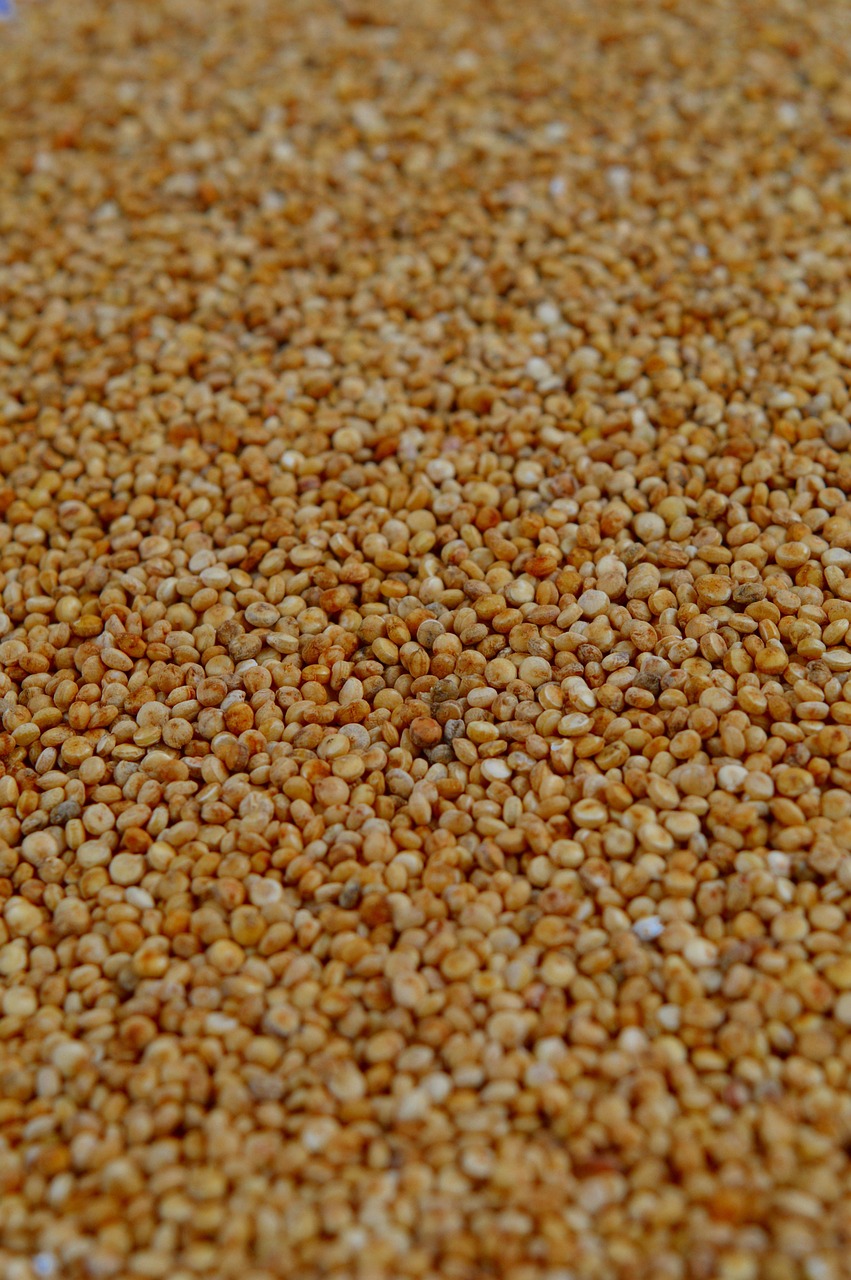
Quinoa
Complete plant-based protein source
Quinoa is one of the rare plant foods that contains all nine essential amino acids, making it a complete protein source. One cup of cooked quinoa provides approximately 8 grams of protein and 5 grams of fiber. This makes it an especially valuable protein source for vegetarians and vegans seeking muscle development. Quinoa is a complex carbohydrate that provides sustained energy for workouts while maintaining stable blood sugar levels. High in magnesium, which is essential for muscle contraction and relaxation, and involved in over 300 biochemical reactions. Rich in iron, which supports oxygen transport to muscles and enhances exercise performance and endurance. The anti-inflammatory compounds in quinoa support muscle recovery after intense exercise sessions. Contains manganese and phosphorus, contributing to bone health and energy metabolism in muscle cells. Research links regular quinoa consumption with increased muscle mass and improved post-exercise recovery. Incorporate quinoa into meals as salads, bowls, or protein-rich side dishes to boost nutritional value and support muscle goals.
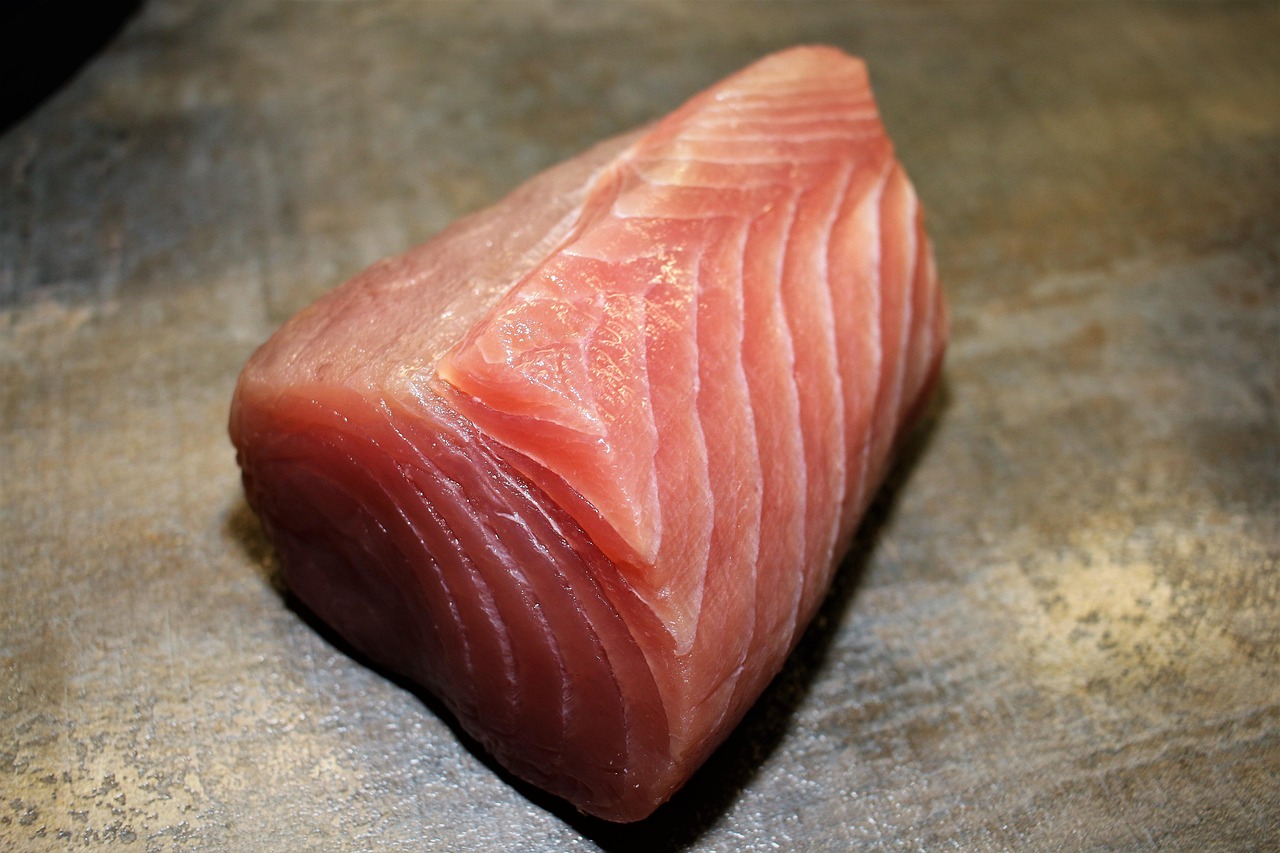
Tuna
Low-fat high-protein seafood
Tuna is an outstanding choice for muscle building, offering high-quality protein with minimal fat content. A 3-ounce (85g) serving of canned tuna provides approximately 20-25 grams of protein. Rich in omega-3 fatty acids EPA and DHA, which reduce inflammation and support muscle recovery processes. Omega-3s have been shown to enhance muscle protein synthesis and reduce exercise-induced muscle damage. Tuna is an excellent source of vitamin D, which is critical for muscle function, strength, and recovery. Vitamin D deficiency has been linked to reduced muscle strength and increased risk of muscle atrophy. Abundant in selenium, a powerful antioxidant that protects muscles from oxidative stress caused by intense exercise. Tuna's vitamin B12 content is essential for red blood cell production and nerve function, contributing to muscle coordination. With its low-calorie, high-protein ratio, tuna is ideal for those seeking to reduce body fat while maintaining muscle mass. Choose canned light tuna and limit consumption to 2-3 times per week to minimize mercury exposure while gaining muscle benefits.

Cottage Cheese
Casein protein for sustained muscle support
Cottage cheese is exceptionally rich in casein protein, which digests slowly and provides prolonged amino acid delivery to muscles. One cup (226g) of low-fat cottage cheese contains approximately 28 grams of high-quality protein. Ideal for consumption before bed, as casein steadily releases amino acids to muscles during sleep, preventing muscle breakdown and promoting recovery. Research shows that consuming casein before sleep increases overnight muscle protein synthesis and improves morning metabolism. High in calcium content, essential for muscle contraction and playing a vital role in nerve-muscle signal transmission. Cottage cheese is also rich in phosphorus, which works synergistically with calcium to strengthen bones and support muscle function. Contains vitamin B12 and riboflavin, supporting energy production and muscle tissue repair processes. High leucine content stimulates muscle protein synthesis and helps prevent age-related muscle loss (sarcopenia). Its satiating properties make cottage cheese an excellent choice for weight management while maintaining lean muscle mass. Enjoy cottage cheese with fruits, nuts, or as a salad topping to create balanced, muscle-supporting meals throughout the day.
Disclaimer: This information is for educational purposes only and should not replace professional medical advice. Always consult with healthcare professionals or sports nutritionists before starting any exercise program or making dietary changes related to muscle health.