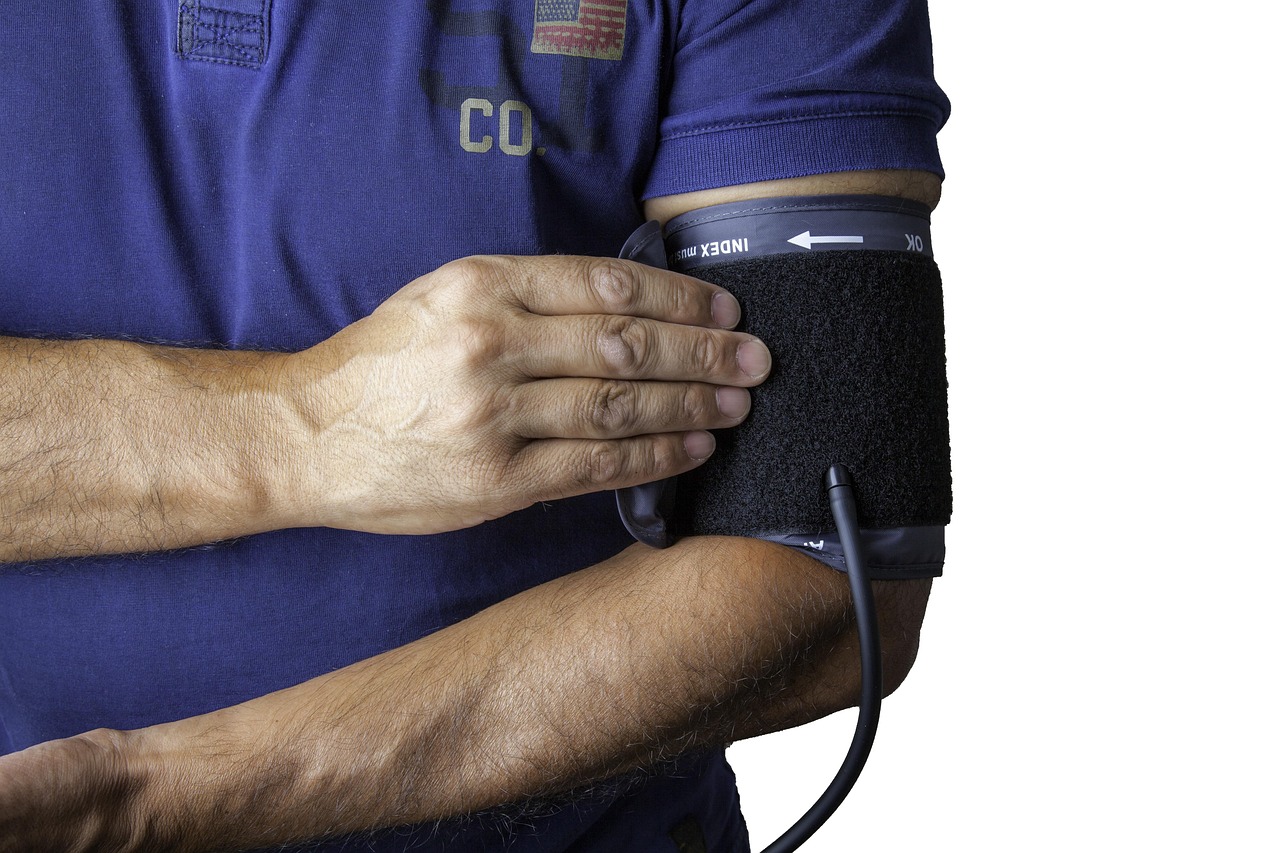
Top 5 Foods for Managing High Blood Pressure
Natural foods that help lower blood pressure and support cardiovascular health
February 13, 2026
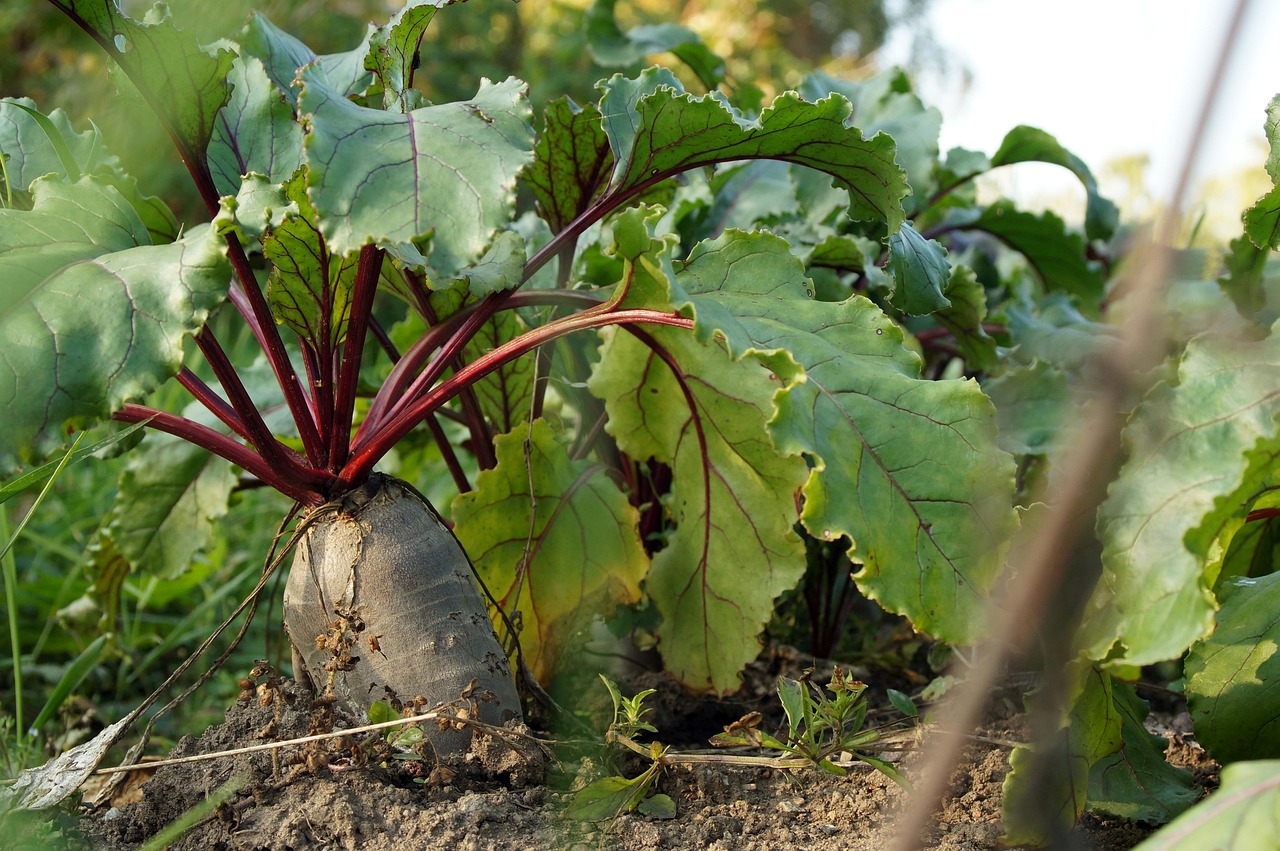
Beets
Nitrates convert to nitric oxide and relax blood vessels
Beets are one of the most powerful foods for lowering blood pressure naturally. Beets are extremely rich in dietary nitrates, which convert to nitric oxide in the body. Nitric oxide relaxes and dilates blood vessels, improving blood flow and significantly lowering blood pressure. Studies show that drinking 250ml of beet juice daily can reduce systolic blood pressure by 4-10mmHg within hours. This effect can last for up to 24 hours. Nitric oxide also improves endothelial function, helping prevent atherosclerosis and cardiovascular disease. Endothelial dysfunction is a major cause of hypertension. Beets are rich in potassium, which helps balance sodium levels and lower blood pressure. One cup of cooked beets provides about 520mg of potassium. Beets contain powerful antioxidants called betalains, which reduce oxidative stress and inflammation that contribute to hypertension. Beets are rich in folate, which helps lower homocysteine levels. Elevated homocysteine is associated with increased cardiovascular disease risk. Beets contain magnesium, which supports blood vessel relaxation and healthy blood pressure regulation. Beets are rich in dietary fiber, helping with weight management and metabolic health, both important for blood pressure control. Beets improve exercise performance and stamina by enhancing oxygen delivery to muscles. Consume beets raw, roasted, or as juice. Raw beets and fresh juice have the highest nitrate content. Drink 250-500ml of beet juice daily for blood pressure benefits. Morning consumption is most effective. Add raw beets to salads, blend into smoothies, or roast as a side dish. Combine beets with other nitrate-rich vegetables like arugula, spinach, and celery for synergistic effects. People with kidney stones should consume beets in moderation as they are high in oxalates. Beet consumption may cause red urine or stool (beeturia), which is harmless.
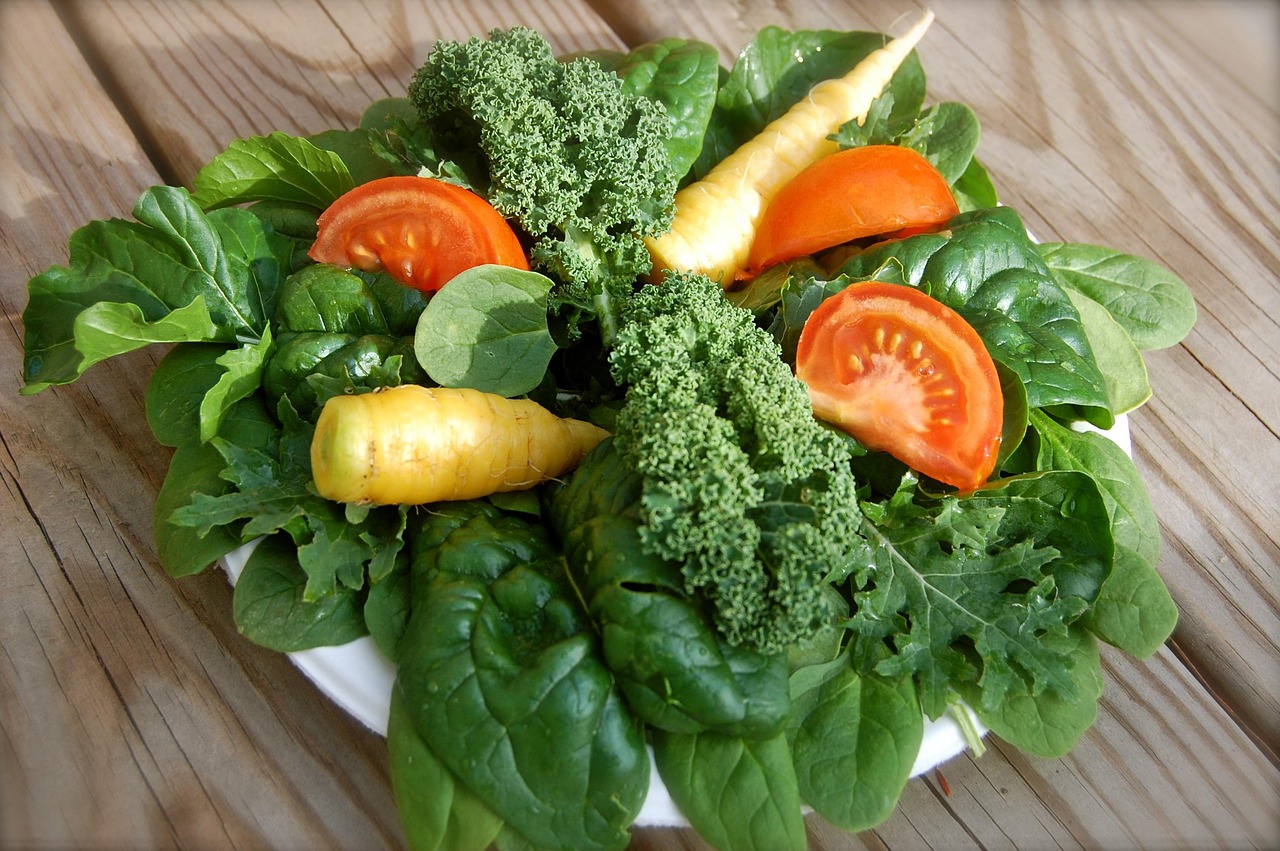
Leafy Green Vegetables
Rich in potassium, magnesium, and nitrates
Leafy greens like spinach, kale, Swiss chard, arugula, and collard greens are exceptional for blood pressure management. Extremely rich in potassium, which counteracts sodium's effects and helps lower blood pressure. One cup of cooked spinach provides about 840mg of potassium. Rich in dietary nitrates (especially arugula and spinach), which convert to nitric oxide to dilate blood vessels and improve circulation. Rich in magnesium, which relaxes blood vessels and supports healthy blood pressure. Magnesium deficiency is strongly linked to hypertension. Rich in calcium, which plays an important role in blood vessel contraction and relaxation. Very rich in antioxidants like vitamin C, beta-carotene, and lutein, which reduce oxidative stress and protect cardiovascular health. Rich in folate, which helps lower homocysteine levels and reduce cardiovascular disease risk. Rich in vitamin K, essential for proper calcium metabolism and arterial health. Very low in calories and sodium while high in fiber, supporting weight management and metabolic health. Rich in polyphenols, which improve endothelial function and reduce arterial stiffness. Leafy greens have anti-inflammatory properties that address chronic inflammation underlying hypertension. Consume at least 1-2 cups of leafy greens daily, preferably both raw and cooked. Lightly steam or sauté leafy greens to preserve nutrients. Avoid overcooking. Add raw spinach, kale, or arugula to salads, sandwiches, and smoothies. Rotate different varieties of leafy greens to get a diverse range of nutrients. Choose organic greens when possible to avoid pesticide residues. Pair leafy greens with healthy fats like olive oil or avocado to enhance absorption of fat-soluble vitamins.
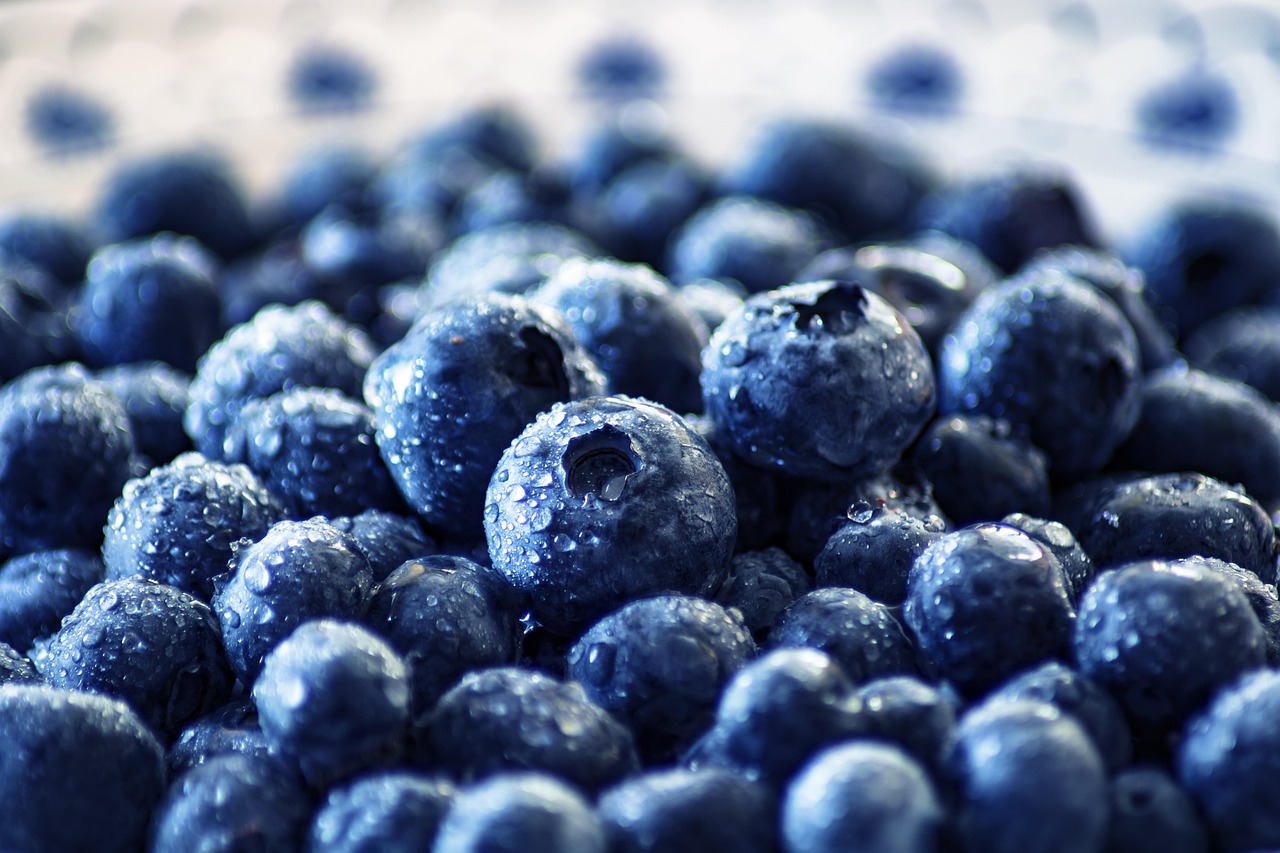
Berries
Flavonoids improve blood vessel function and reduce arterial stiffness
Blueberries, strawberries, raspberries, and blackberries are powerful fruits for cardiovascular and blood pressure health. Very rich in flavonoids, especially anthocyanins, which significantly improve endothelial function and arterial elasticity. A long-term study showed that people who consume berries regularly have an 8% lower risk of developing hypertension compared to those who rarely eat berries. Research indicates that consuming 1 cup of blueberries daily can reduce systolic blood pressure by 4-6mmHg in people with prehypertension. Flavonoids in berries increase nitric oxide production to relax blood vessels and improve blood flow. Berries are very rich in vitamin C, a powerful antioxidant that protects blood vessels from oxidative damage and supports collagen production in arterial walls. Berries are rich in potassium and low in sodium, an ideal mineral balance for blood pressure control. Berries contain resveratrol (especially in blueberries), which has cardioprotective effects and helps lower blood pressure. Berries are rich in dietary fiber, which helps lower cholesterol, stabilize blood sugar, and support healthy weight management. Berries have a low glycemic index, making them ideal for people with diabetes or insulin resistance, conditions closely linked to hypertension. Berries have powerful anti-inflammatory properties that reduce chronic inflammation contributing to cardiovascular disease. Ellagic acid in berries (especially strawberries and raspberries) has been shown to improve arterial function. Consume 1-1.5 cups of fresh or frozen berries daily for cardiovascular benefits. Frozen berries are just as nutritious as fresh berries and are available year-round. Add berries to oatmeal, yogurt, salads, smoothies, or eat them as a snack. Choose organic berries when possible, as berries are among the fruits with highest pesticide residues. Mix different colored berries to get a variety of unique antioxidants and flavonoids. Avoid adding sugar to berries. Berries are naturally sweet and nutritious on their own.
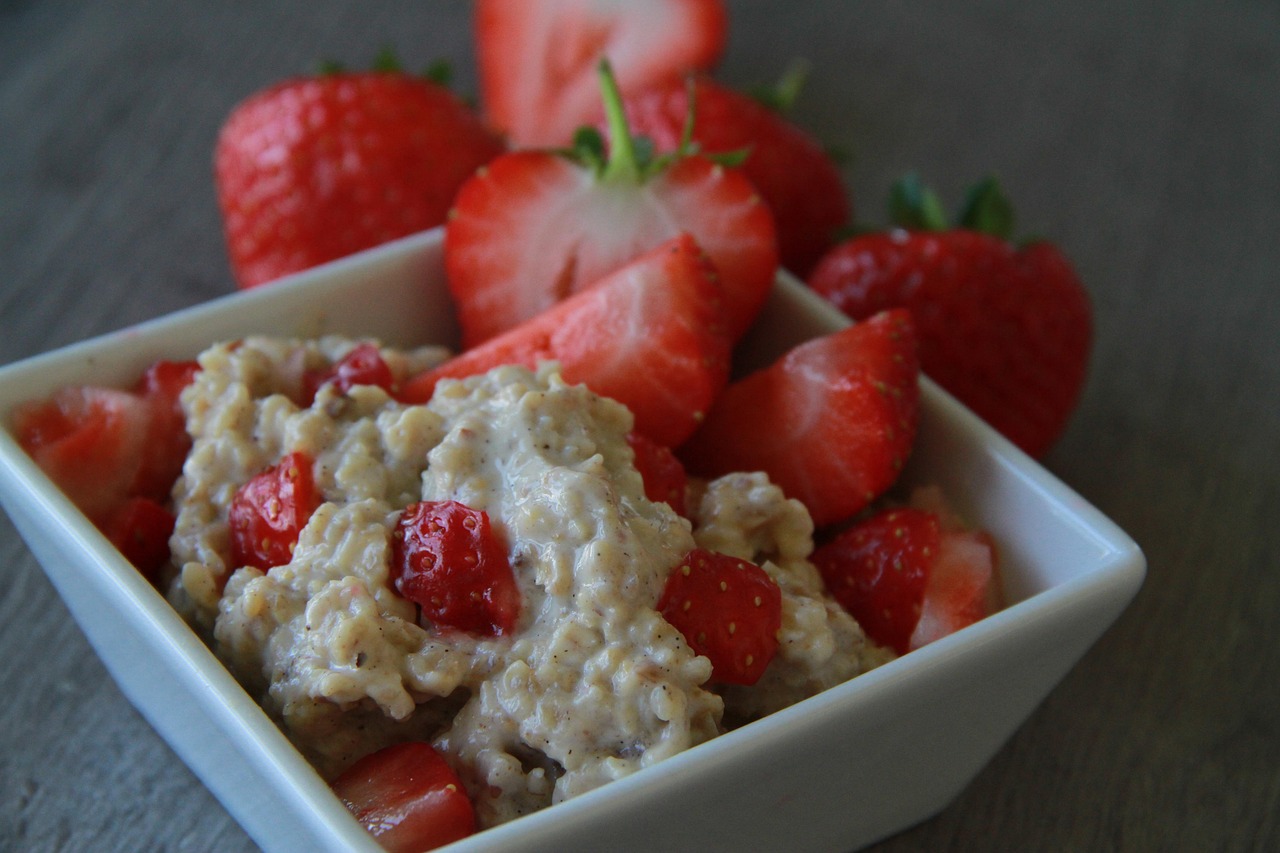
Oatmeal
Beta-glucan fiber lowers blood pressure and cholesterol
Whole grain oats are an excellent breakfast choice for blood pressure management. Oats are rich in a unique soluble fiber called beta-glucan, which has been extensively studied for cardiovascular benefits. Meta-analysis shows that consuming 3g of beta-glucan daily (equivalent to about 1.5 cups of cooked oatmeal) can reduce systolic blood pressure by 2-3mmHg and diastolic blood pressure by 1-2mmHg. Beta-glucan reduces LDL cholesterol absorption in the intestines, lowering total cholesterol and improving cardiovascular health. Oats are rich in magnesium, which relaxes blood vessels and supports healthy blood pressure regulation. Oats are a good source of potassium, helping to balance sodium and lower blood pressure. Oats are rich in antioxidants called avenanthramides, unique to oats, which increase nitric oxide production and improve blood vessel function. Avenanthramides also have anti-inflammatory and anti-itching properties. Oats have a low glycemic index, stabilizing blood sugar and preventing insulin spikes that can contribute to hypertension. Oats are rich in dietary fiber, promoting feelings of fullness and supporting healthy weight management, which is crucial for blood pressure control. Oats contain plant sterols, which help lower cholesterol. Consuming oatmeal regularly is associated with reduced risk of heart disease, stroke, and type 2 diabetes. Choose steel-cut oats or rolled oats rather than instant oatmeal, which often contains added sugar and salt. Cook oats with water or low-fat milk instead of using salt. Top oatmeal with berries, nuts, seeds, and cinnamon for added blood pressure benefits. Consume 40-60g of dry oats (about 1/2 cup) daily, which provides approximately 3g of beta-glucan. Avoid flavored instant oatmeal packets high in sugar and sodium. Oats can be used in smoothies, homemade granola, or energy balls for variety.

Fatty Fish
Omega-3 fatty acids reduce inflammation and lower blood pressure
Salmon, mackerel, sardines, herring, and trout are exceptional sources of omega-3 fatty acids for cardiovascular health. Omega-3 fatty acids (EPA and DHA) have been extensively studied for blood pressure-lowering effects. Meta-analyses show that consuming 2-3g of omega-3s daily can reduce systolic blood pressure by 4-5mmHg and diastolic pressure by 2-3mmHg, especially in people with hypertension. Omega-3s improve endothelial function by increasing nitric oxide production and enhancing blood vessel flexibility. Omega-3s have powerful anti-inflammatory properties, reducing chronic inflammation that contributes to hypertension and atherosclerosis. Omega-3s reduce triglycerides, lower resting heart rate, and decrease arterial stiffness, all beneficial for cardiovascular health. Fatty fish are rich in vitamin D, which is inversely associated with hypertension. Vitamin D deficiency is linked to increased blood pressure. Fatty fish provide high-quality protein without saturated fat found in red meat, supporting healthy weight management. Fatty fish are rich in selenium, a powerful antioxidant that protects cardiovascular system from oxidative damage. Fatty fish contain potassium, which helps balance sodium and lower blood pressure. Regular fish consumption is associated with significantly reduced risk of heart attack, stroke, and cardiovascular mortality. The American Heart Association recommends eating fatty fish at least 2 times per week. Consume 2-3 servings (85-115g per serving) of fatty fish weekly. Choose wild-caught fish when possible, as it typically has higher omega-3 content and fewer contaminants than farmed fish. Cook fish by baking, grilling, steaming, or poaching. Avoid deep-frying, which adds unhealthy fats. Choose fish lower in mercury, such as salmon, sardines, mackerel, and herring. If you don't eat fish regularly, consider a high-quality omega-3 supplement (1000-2000mg EPA/DHA daily) after consulting your doctor. Canned fish (sardines, salmon in water) is a convenient and affordable option.
Disclaimer: This information is for educational purposes only and should not replace professional medical advice. If you have been diagnosed with hypertension, follow your doctor's treatment plan and medication regimen. Never stop blood pressure medications without consulting your healthcare provider.