
Top 5 Foods for Cartilage Health
Essential foods that support cartilage repair and joint protection
February 10, 2026
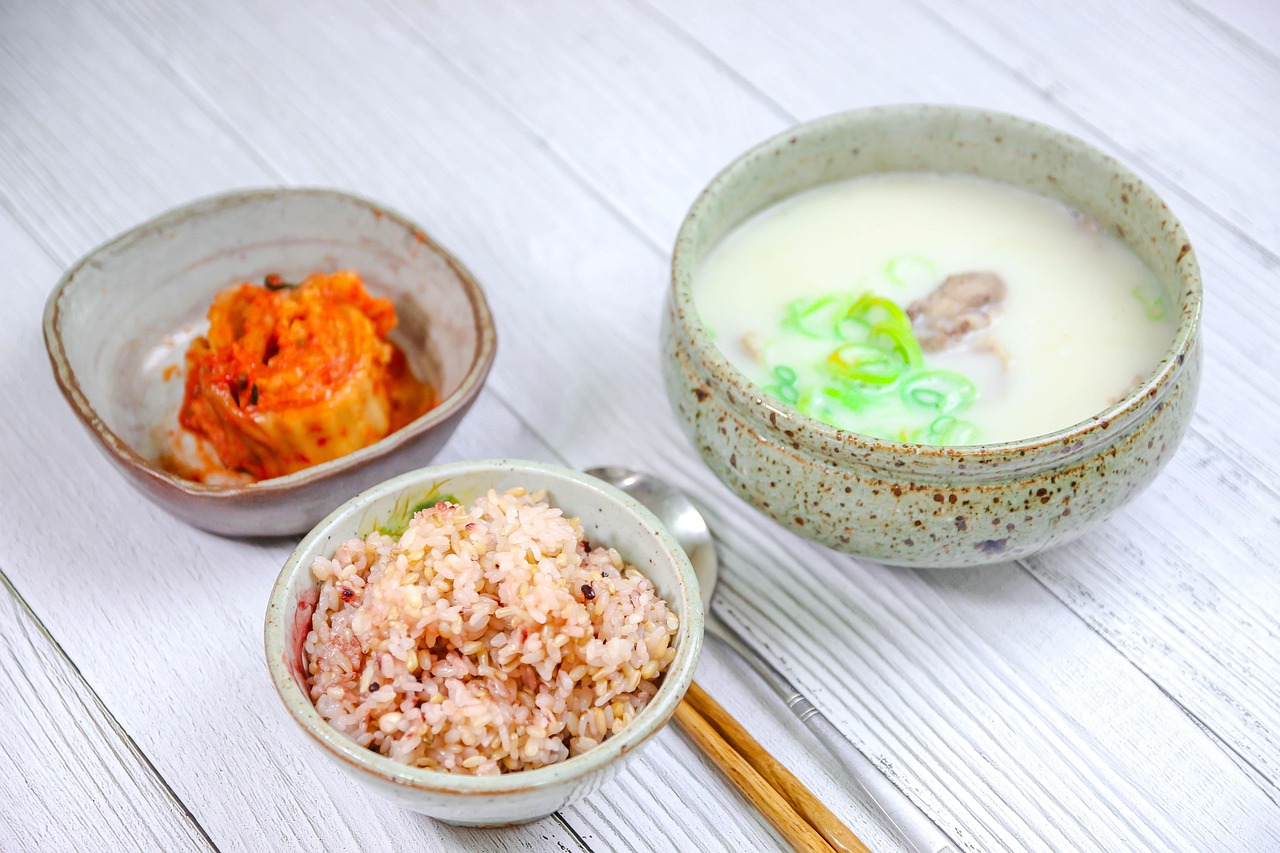
Bone Broth
Rich in collagen and amino acids for cartilage repair
Bone broth is one of the most nutrient-dense foods for cartilage health, containing abundant collagen, glucosamine, and chondroitin. When bones are simmered for extended periods, collagen breaks down into gelatin, which provides amino acids crucial for cartilage regeneration. The glycine and proline in bone broth are essential building blocks for maintaining healthy cartilage structure. Research shows that regular consumption of bone broth can help reduce joint pain and improve cartilage integrity. Bone broth also contains hyaluronic acid, which lubricates joints and maintains the viscosity of synovial fluid. The minerals in bone broth, including calcium, phosphorus, and magnesium, support overall bone and joint health. For best results, simmer beef, chicken, or fish bones for 12-24 hours with a small amount of vinegar to extract maximum nutrients. Consume 1-2 cups of bone broth daily, either as a warm beverage or as a base for soups and stews. Homemade bone broth is preferable to commercial versions, which may contain less collagen and more sodium. Consistent consumption over several months is necessary to see significant improvements in cartilage health.

Shellfish
Natural source of glucosamine for cartilage structure
Shellfish such as shrimp, crab, lobster, and oysters are exceptional sources of natural glucosamine and chondroitin sulfate. Glucosamine is a fundamental component of cartilage tissue and helps maintain the structural integrity of joints. These compounds stimulate the production of proteoglycans and collagen, essential for healthy cartilage matrix. Research indicates that glucosamine from natural food sources may be more bioavailable than synthetic supplements. Shellfish are also rich in zinc and selenium, minerals that support cartilage repair and reduce oxidative stress. The omega-3 fatty acids in shellfish provide additional anti-inflammatory benefits for joint health. Shellfish shells contain chitin, which the body can convert into glucosamine for cartilage repair. Consuming shellfish 2-3 times per week provides a significant amount of cartilage-supporting nutrients. For those with shellfish allergies, alternative sources of glucosamine include bone broth and organ meats. Steaming or boiling shellfish preserves nutrients better than frying or grilling at high temperatures.

Citrus Fruits
Vitamin C essential for collagen synthesis
Citrus fruits like oranges, grapefruits, lemons, and limes are vital for cartilage health due to their high vitamin C content. Vitamin C is absolutely essential for collagen synthesis, acting as a cofactor in the enzymatic reactions that form collagen fibers. Without adequate vitamin C, the body cannot produce or maintain healthy cartilage tissue, leading to joint deterioration. Studies show that people with higher vitamin C intake have lower rates of cartilage loss and osteoarthritis progression. The antioxidants in citrus fruits protect cartilage cells from oxidative damage caused by free radicals. Citrus bioflavonoids enhance the absorption and effectiveness of vitamin C in supporting joint health. One medium orange provides approximately 70mg of vitamin C, contributing significantly to the daily requirement of 75-90mg. Vitamin C also reduces inflammation in joints, which can slow down cartilage degradation. Consuming whole citrus fruits is preferable to juice alone, as the fiber helps regulate blood sugar and provides additional nutrients. Regular daily intake of citrus fruits ensures consistent collagen production for ongoing cartilage maintenance and repair.

Mushrooms
Anti-inflammatory compounds support joint health
Mushrooms, particularly shiitake, maitake, and oyster mushrooms, contain powerful anti-inflammatory and immune-modulating compounds. Beta-glucans in mushrooms help reduce chronic inflammation that can damage cartilage over time. Mushrooms are one of the few natural food sources of vitamin D, which is crucial for calcium absorption and bone health around joints. Ergothioneine, a unique antioxidant in mushrooms, protects chondrocytes (cartilage cells) from oxidative stress. Studies suggest that mushroom consumption can reduce the production of inflammatory cytokines that break down cartilage. The polysaccharides in medicinal mushrooms have been shown to stimulate the production of synovial fluid, improving joint lubrication. Mushrooms also contain significant amounts of selenium, which works synergistically with vitamin E to protect cartilage. Consuming a variety of mushroom types provides a broader spectrum of beneficial compounds for joint health. Cooking mushrooms increases the bioavailability of their nutrients, particularly when sautéed in healthy fats. Incorporate 1-2 cups of mushrooms into your diet 3-4 times per week for optimal cartilage-supporting benefits.
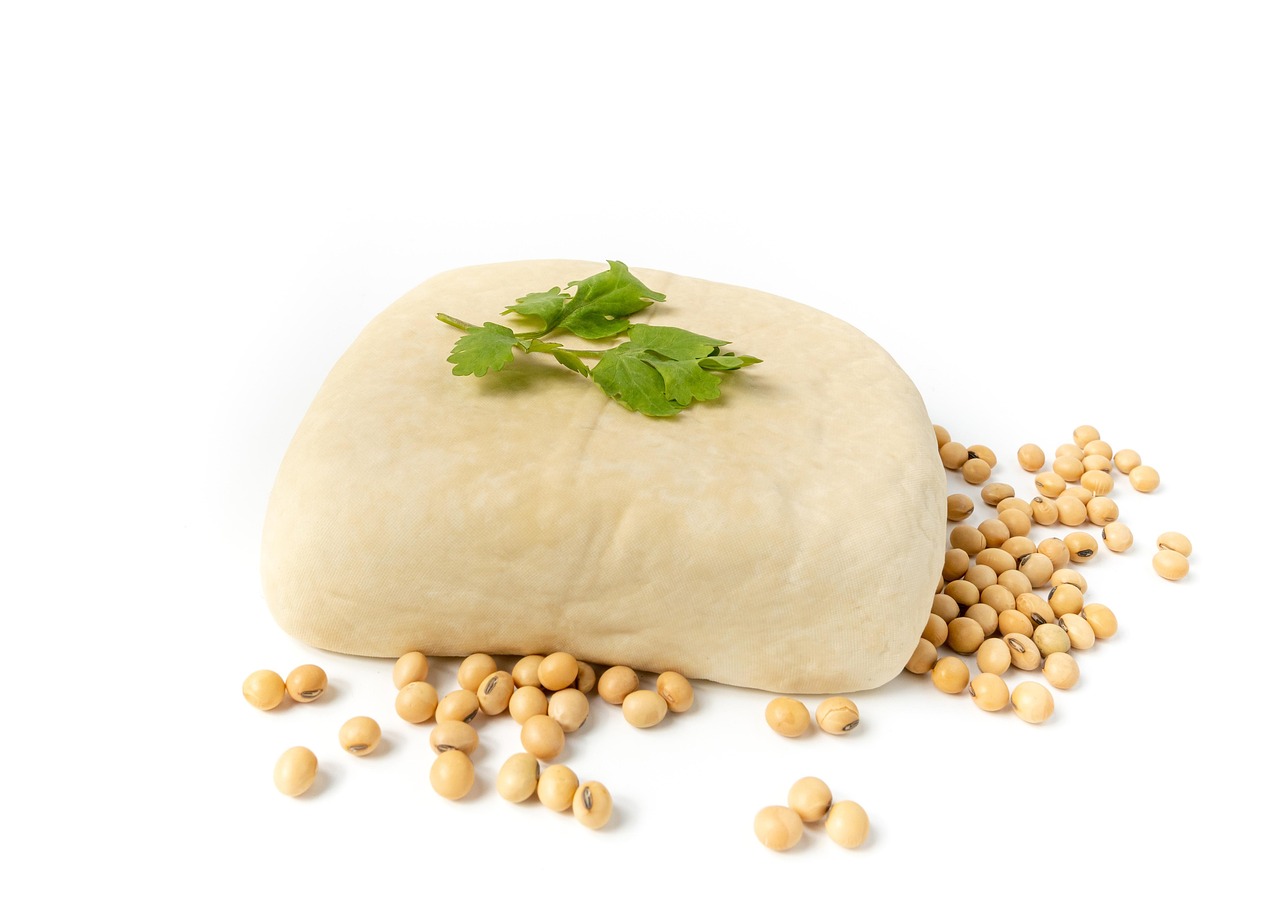
Soy Products
Protein and isoflavones for cartilage maintenance
Soy products including tofu, tempeh, edamame, and soy milk provide high-quality protein essential for cartilage repair and maintenance. Isoflavones in soy, particularly genistein and daidzein, have been shown to protect cartilage from degradation. Research indicates that soy isoflavones can reduce cartilage breakdown by inhibiting enzymes that destroy collagen. Soy protein contains all essential amino acids needed for the synthesis of new cartilage tissue. Studies on postmenopausal women show that soy consumption can help maintain cartilage volume and reduce osteoarthritis symptoms. The anti-inflammatory properties of soy isoflavones help reduce joint swelling and pain. Soy products are also rich in calcium and magnesium, minerals important for bone health and joint stability. Fermented soy products like tempeh and miso may offer additional benefits due to increased bioavailability of nutrients. Consume 1-2 servings of soy products daily, such as a cup of soy milk or 100g of tofu. Choose minimally processed, organic soy products for maximum nutritional benefits and fewer additives.
Disclaimer: This information is for educational purposes only and should not replace professional medical advice. If you have cartilage damage or joint problems, please consult with a healthcare provider or orthopedic specialist.