
5 Best Foods for Adrenal Health
Foods that support adrenal function and stress hormone regulation
February 7, 2026
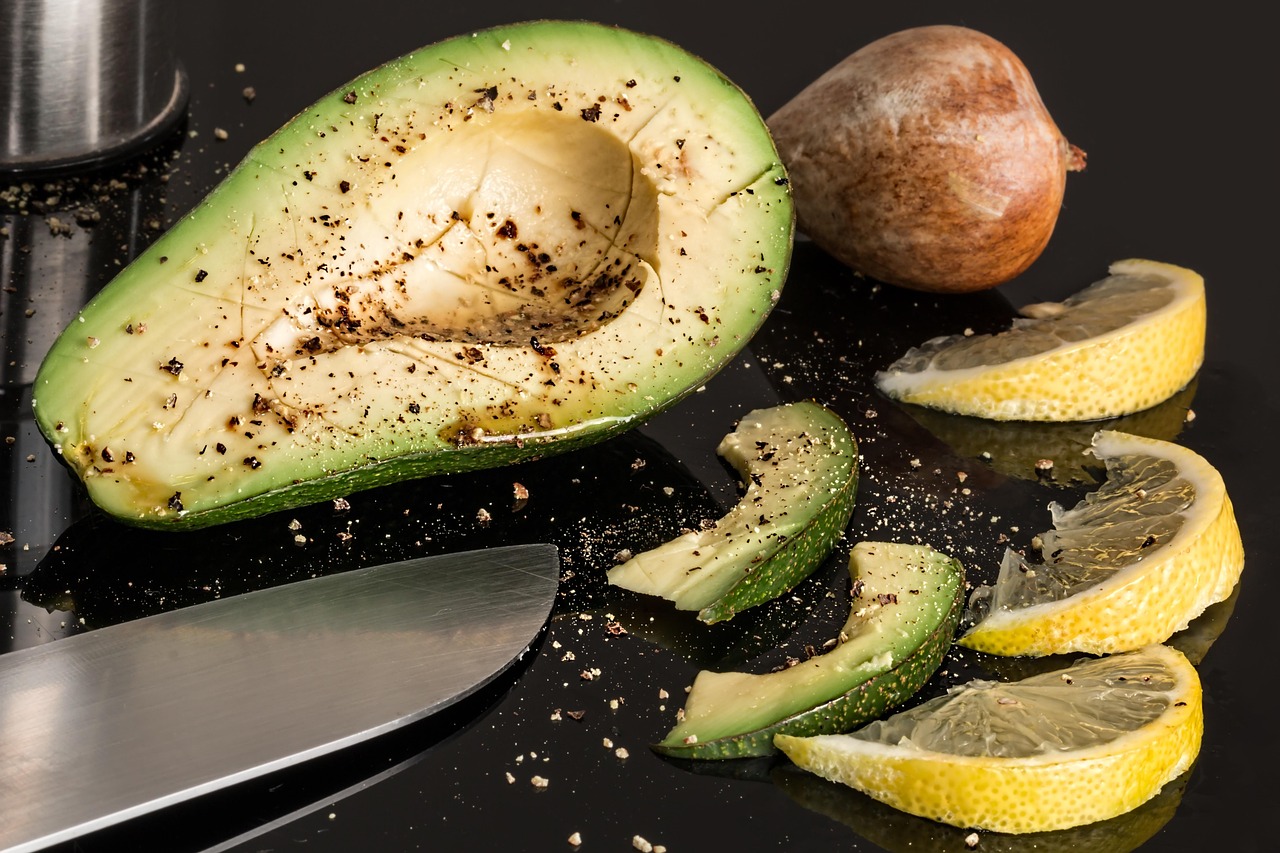
Avocado
Healthy fats and vitamin B5 support adrenal hormone production
Avocados are one of the best foods for adrenal health, packed with essential nutrients. Extremely rich in pantothenic acid (vitamin B5), which is essential for the adrenal glands' production of cortisol and other stress hormones. One avocado provides about 20% of the daily recommended value. Rich in healthy monounsaturated fats that provide the raw materials needed for the adrenals to produce steroid hormones. Hormones are made from fats. Very high in potassium (60% more than bananas), which supports electrolyte balance and blood pressure regulation. Potassium deficiency is common with adrenal fatigue. Contains magnesium, which regulates stress responses and supports adrenal function. Magnesium is known as 'nature's tranquilizer.' Rich in vitamin C—the adrenals have the highest concentration of vitamin C in the body. During stress, adrenal vitamin C is rapidly depleted. Rich in antioxidants including vitamin E, which protect the adrenals from oxidative stress. High in dietary fiber, which helps stabilize blood sugar. Blood sugar fluctuations put stress on the adrenals. Contains folate, important for cell function and DNA synthesis. Consume half to one avocado daily. Adding it to breakfast helps start your day with stable energy. Add to salads, smoothies, toast, or simply season with salt and pepper. Choose ripe avocados—they should yield slightly to gentle pressure. Avocados help with nutrient absorption from other vegetables, so they're great additions to salads. They're calorie-dense (about 240 calories per avocado), so adjust portions if managing weight.
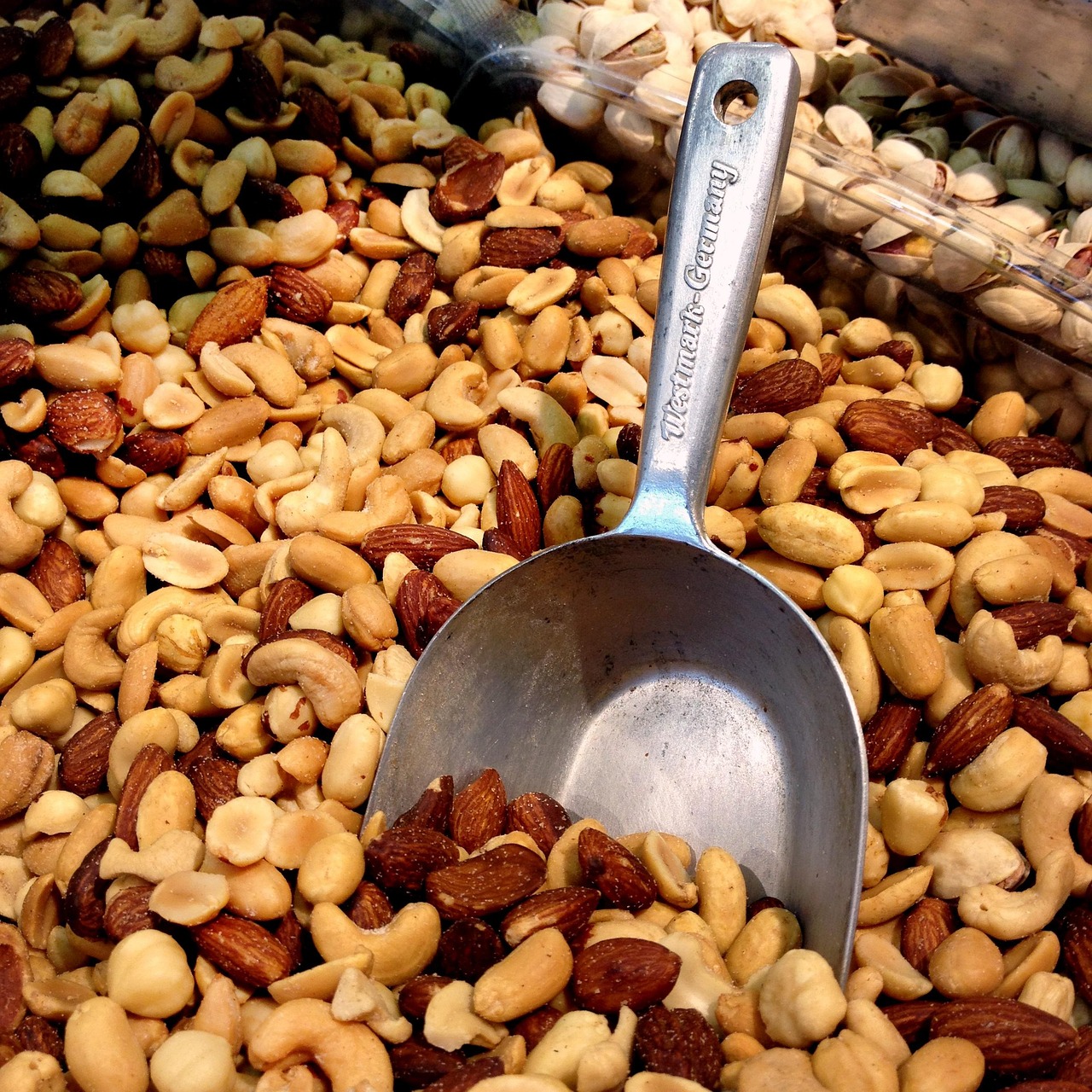
Nuts
Vitamin E, magnesium, and healthy fats support adrenal function
Nuts including almonds, walnuts, cashews, and Brazil nuts provide excellent nutrients for adrenal recovery. Very rich in vitamin E, which protects the adrenals from oxidative stress. Almonds are particularly the top source of vitamin E. Rich in magnesium, which helps regulate stress hormones and muscle relaxation. Cashews and almonds are especially high in magnesium. Brazil nuts are the top source of selenium—just 2-3 nuts meet the daily requirement. Selenium is essential for thyroid and adrenal function. Rich in healthy omega-3 fatty acids (especially walnuts), which reduce inflammation and support hormone production. Contain B vitamins, which are important for energy production and stress management. Rich in zinc, which supports immune function and hormone balance. Rich in protein, which stabilizes blood sugar and provides sustained energy. Contain copper, important for red blood cell formation and nerve function. Consume one handful (about 30g) of raw nuts daily. They're calorie-dense if overeaten. Choose unsalted, unprocessed nuts. Avoid those roasted in sugar or oil. Soaking nuts makes them easier to digest and increases nutrient absorption. Mix various nuts—each has its unique nutrient profile. Eat as snacks or add to yogurt, salads, or oatmeal. Store nuts in airtight containers in the refrigerator as they can become rancid.

Fatty Fish
Omega-3 fatty acids and vitamin D reduce adrenal inflammation
Fatty fish including salmon, mackerel, sardines, and herring are highly beneficial for adrenal health. Very rich in omega-3 fatty acids (EPA, DHA), which reduce adrenal inflammation and regulate cortisol levels. Chronic stress increases inflammation. Rich in vitamin D (especially salmon), important for immune function, hormone balance, and mood regulation. Adrenal fatigue and vitamin D deficiency are closely linked. Provides high-quality protein that stabilizes blood sugar and reduces stress on the adrenals. 3oz of salmon provides about 20g of protein. Rich in vitamin B12, essential for energy production and nervous system health. B12 is rapidly depleted during adrenal fatigue. Contains selenium, which supports antioxidant action and the thyroid-adrenal axis. Contains zinc, important for immune function and hormone balance. Contains astaxanthin (especially in salmon), which provides powerful antioxidant action. Contains coenzyme Q10, which supports cellular energy production. Consume fatty fish 2-3 times weekly, 3-4oz per serving. Choose wild salmon—it has more omega-3s and fewer contaminants than farmed salmon. Cook by baking, steaming, or poaching. Frying damages healthy fats. Choose low-mercury fish. Sardines, mackerel, and salmon are low in mercury. If eating fish is difficult, consider high-quality omega-3 supplements.

Dark Chocolate
Magnesium and antioxidants regulate stress hormones
Dark chocolate with 70% or higher cocoa content has remarkable effects on adrenal health. Very rich in magnesium (about 64mg per 1oz), which calms stress responses and lowers cortisol levels. Known as the 'anti-stress mineral.' Rich in powerful antioxidants including flavonoids, which protect the adrenals from oxidative damage. Dark chocolate's antioxidant capacity is higher than blueberries. Contains phenylethylamine (PEA), which improves mood and promotes release of happiness hormones endorphins and serotonin. Contains theobromine, which acts as a natural energy booster—milder and longer-lasting than caffeine. Contains iron, important for energy production and oxygen transport. Contains trace minerals including zinc, copper, and manganese, which support enzyme function and antioxidant defenses. Contains dietary fiber, which helps stabilize blood sugar. Research shows dark chocolate lowers cortisol levels and reduces stress. Consume 1-2oz (1-2 squares) of dark chocolate daily. Small amounts are effective. Choose 70% cocoa or higher, preferably 85% or more. Higher cocoa content means more antioxidants and less sugar. Choose products with minimal additives. The simpler the ingredients, the better. Let it melt slowly in your mouth for greater satisfaction and to prevent overeating. If sensitive to caffeine, avoid it in the evening. Dark chocolate contains small amounts of caffeine. Check sugar content—quality dark chocolate should be low in sugar.
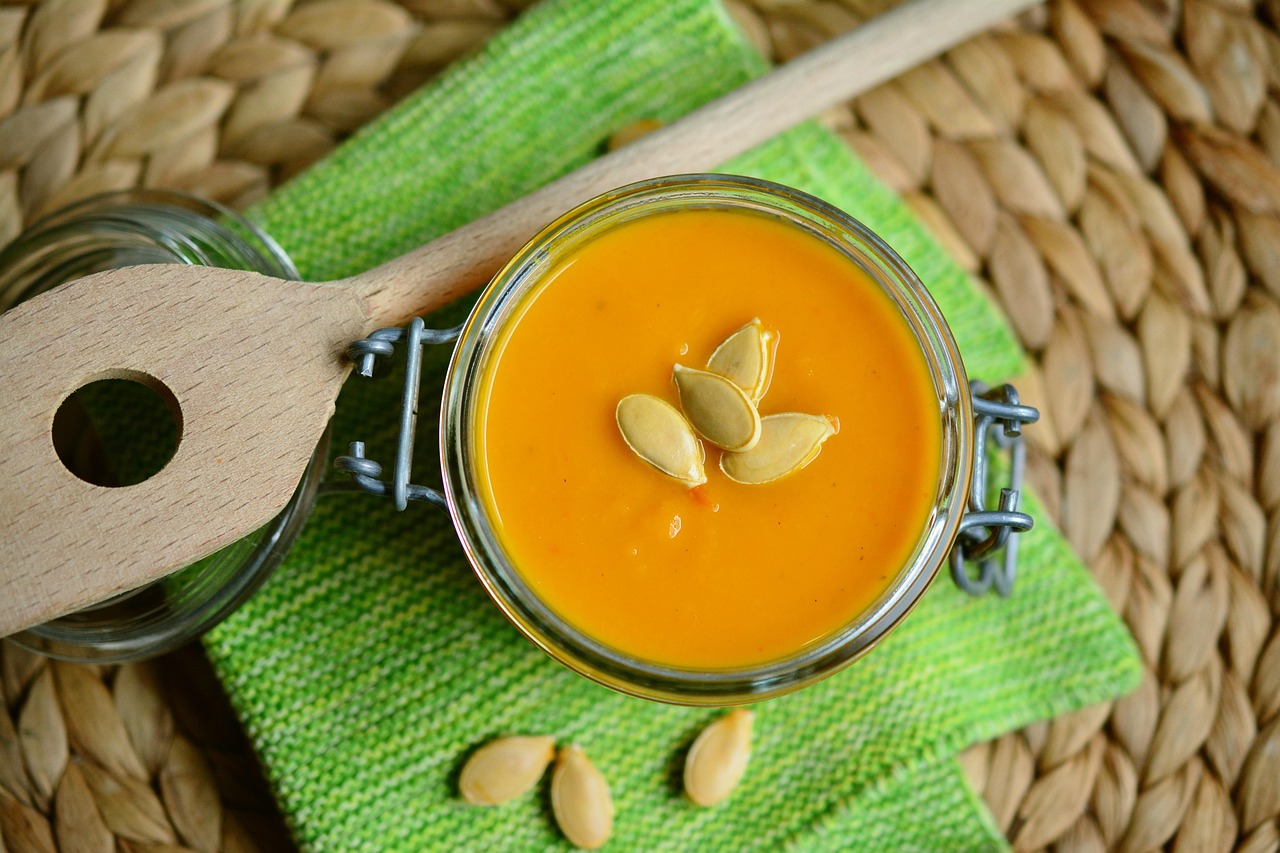
Pumpkin Seeds
Zinc and magnesium support hormone balance and immunity
Pumpkin seeds are small but packed with powerful nutrients for adrenal health. Very rich in zinc (about 2mg per 1oz), essential for immune function, hormone production, and wound healing. Zinc deficiency is linked to reduced adrenal function. Rich in magnesium (about 150mg per 1oz), which helps with stress management and improving sleep quality. Sleep deprivation weakens the adrenals. Contains tryptophan, which converts to serotonin and melatonin, improving mood and sleep. Rich in healthy fats that provide raw materials needed for hormone production. Contains iron, important for energy production and fatigue prevention. Rich in manganese, which supports enzyme function and antioxidant defenses. Contains phosphorus, important for energy production and bone health. Contains copper, needed for neurotransmitter production. Rich in antioxidants, which protect the adrenals from free radical damage. Contains phytosterols, which support heart health. Consume 1oz (about 2 tablespoons) of pumpkin seeds daily. Choose raw or lightly roasted pumpkin seeds. Avoid salted or oil-fried varieties. Sprinkle on salads, yogurt, oatmeal, or eat as a snack. Pumpkin seeds can be ground and added to smoothies or baked goods. Eating pumpkin seeds before bed may improve sleep quality thanks to tryptophan. Store in airtight containers in the refrigerator to maintain freshness.
Disclaimer: This information is for educational purposes only. If you suspect adrenal insufficiency with symptoms like chronic fatigue, weight changes, or blood pressure abnormalities, consult an endocrinologist. Adrenal disorders require proper diagnosis and treatment.